Inside Celebrity Homes Worth Millions
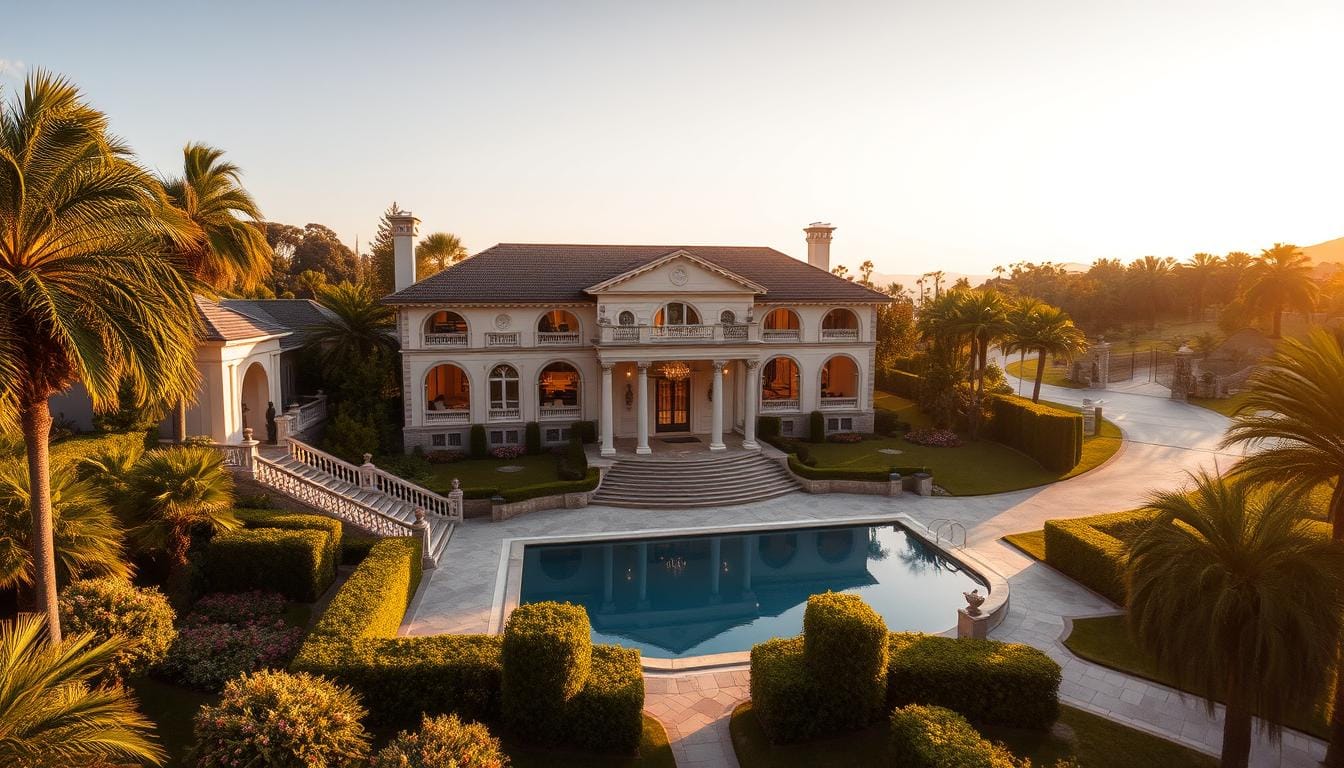
Step inside a curated tour of private interiors where design, craft, and story meet. From Bobby Flay’s Tribeca loft with sculptural marble to Christopher Meloni’s art-filled West Village retreat, these rooms show how a home becomes personal art.
We travel from Beverly Hills estates to New York penthouses, and back in time to Robert Redford’s Sundance compound and Giorgio Armani’s Tuscan farmhouse. You’ll see how place, history, and material choices shape each space.
Expect vivid details: sourced materials, layered art, concealed tech, and sustainability notes that matter. The upcoming list highlights wide-ranging examples — from Drake’s Beaux‑Arts manor to Oprah’s Spanish Revival — and shows practical takeaways.
Use these ideas to rethink proportion, light, and finishes in your own home. Even small swaps can lift daily life into something luxurious and intentional.
Key Takeaways
- Design and narrative turn a residence into a living work of art.
- Location and history shape style from coast to coast.
- Material choices and art collections define personality.
- Sustainability and privacy are now core design drivers.
- Practical ideas can be adapted to any home scale.
Why We’re Captivated by Lavish Residences Right Now
Our attraction to sumptuous residences traces a long arc from royal courts to modern hillside retreats. For centuries, people have admired status, storytelling, and meticulous craft inside grand interiors.
In recent years, the way we view private spaces changed. Polished tours, editorial reveals, and market headlines made interiors public in new ways.
During the pandemic, livestreams and candid at‑home moments brought stars into our daily routines. Those glimpses made even the most curated rooms feel human and relatable.
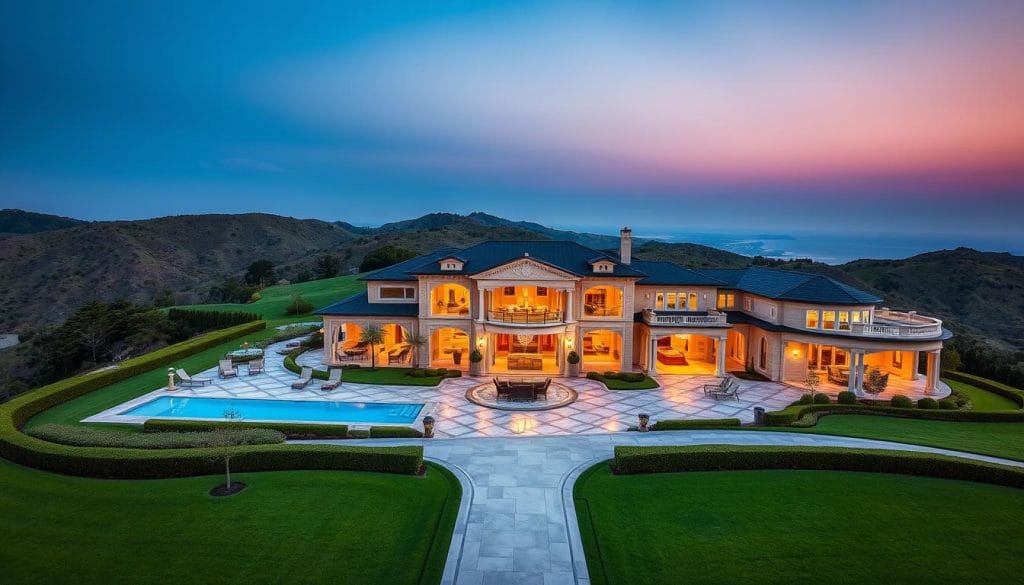
Now, features from West Village flats to Tribeca lofts, plus archival looks at famous retreats, keep attention on design decisions and storytelling. High‑stakes real estate pieces add drama, but readers often linger for the material choices, lighting, and proportion that make a home memorable.
- We study layouts to borrow ideas for small upgrades.
- Video walk‑throughs translate luxe details into practical inspiration.
- Urban New York apartments and Hollywood Hills retreats show different design priorities but the same desire for comfort and meaning.
The Ultimate List of Celebrity Homes You Need to See
Explore a roster of striking residences that pair historic references with contemporary craft and flawless detailing.
Each entry below is chosen for a clear design lesson: scale, materiality, or site response that you can study and adapt.
Drake — Toronto manor
Ferris Rafauli’s Beaux‑Arts “Embassy” spans roughly 50,000 sq ft and blends limestone, bronze, and exotic woods into Art Deco gestures. It’s a study in monumental symmetry and bespoke finish.
Oprah Winfrey — Montecito estate
A compound of five structures—main house, guesthouse, pool house, carriage house, and equestrian facilities—this Spanish Revival refuge is about gardens, light, and restorative living.
Alicia Keys & Swizz Beatz — Razor House
The cliffside concrete-and-glass residence uses walnut, stainless steel, and stone to frame expansive ocean views. Terraces and an underground garage accent the dramatic site.
Chrissy Teigen & John Legend — Beverly Hills
Asian‑influenced craftsmanship, like a hand‑carved ceiling by Don Stewart, makes entertaining effortless while keeping warmth front and center.
Neil Patrick Harris & David Burtka — New York townhouse
A 19th‑century shell animated by a hidden office door, a lively parlor floor, and a salvaged hotel bar that invites guests to linger.
Jennifer Aniston — Los Angeles
Modernist bones are softened with wood, stone, bronze, and vintage pieces for an elegant, lived-in effect.
Ashton Kutcher & Mila Kunis — L.A. farmhouse
Reclaimed materials, board‑formed concrete, a well, and photovoltaic power form a practical, stylish template for sustainable family life.
Matt Damon — Pacific Palisades
A wood-forward residence with a 35‑foot atrium and expansive glazing that floods the interior with coastal light.
Naomi Campbell — Malindi
Indoor‑outdoor flow, local craftsmanship, and a saltwater pool that slips inside celebrate place and craft.
Bobby Flay — Tribeca apartment
A material-rich loft refreshed with statement marble shows how decisive surfaces can redefine an apartment’s mood.
“Notice how context shapes design—cliffside terraces, garden rooms, or city skylines—each plan answers its site.”
Use this list as a visual playbook: borrow proportion, texture, and lighting ideas to elevate your own home without copying any single style.
Design Takeaways and Hotspots: From New York Apartments to Beverly Hills Estates
Across coastlines and city blocks, distinct design priorities reveal how place reshapes luxury living.
In New York, compact footprints prize material richness and clever flow. Bobby Flay’s Tribeca loft and Christopher Meloni’s West Village apartment show how dramatic stone, efficient plans, and layered lighting create skyline moments and expansive-feeling rooms.

Trend map: Hollywood Hills and Beverly Hills luxury vs. New York style
On the West Coast, Beverly Hills and the Hollywood Hills favor indoor‑outdoor living, resort amenities, and privacy through landscape design. Pacific Palisades and Montecito lean into terraces, glazing, and long sightlines that frame nature as art.
- Hotspots: urban apartments highlight vertical circulation and storage walls; coastal estates emphasize courtyards and pool-centric plans.
- Practical moves: specify honest materials, maximize natural light, and make outdoor “rooms” real extensions of interior living.
- Universal luxuries: one statement surface, cohesive palette, tactile textiles, and a clear organizing axis that calms a residence.
“Design that respects site and circulation lasts; it ages with intention over years.”
Consider acoustics, privacy, and art-as-architecture when you adapt these lessons. Small, well-chosen moves translate estate scale ideas into a home that feels cinematic, intimate, and enduring in the real estate of everyday life.
Conclusion
Whether set on a cliff or tucked into a city block, these projects show how material choices shape everyday life.
The most memorable celebrity homes honor context, craft, and comfort. They prove great design is as much about feeling as it is about finishes.
Favoring cliffside drama, garden‑wrapped calm, or urban restraint? Let these examples guide how you shape light, flow, and proportion in your own home.
Start small: pick one room or a single palette to refine, then extend those decisions across your home to build cohesion and calm.
Don’t copy—translate. Use texture, art, and layout to tell your story so each space feels personal, timeless, and quietly uplifting every day.
FAQ
What makes these celebrity residences worth millions?
These estates pair prime locations with exceptional design, rare materials, and large lots or unique architecture. Properties in Beverly Hills, the Hollywood Hills, and prime Manhattan neighborhoods command top prices because buyers pay for privacy, views, and a lifestyle—think private gardens, custom finishes, and historical provenance.
How do tours and real estate reveals change how we see private homes?
High-quality video tours and glossy listings let the public peek into spaces once tightly guarded. They highlight craftsmanship, floor plans, and amenities, making aspirational living more tangible. This access fuels trends and influences what buyers expect from new builds and renovations.
Which neighborhoods tend to host the most notable luxury properties?
Los Angeles hotspots include Beverly Hills and the Hollywood Hills for sprawling estates and celebrity privacy. In New York, Tribeca and the Upper East Side offer landmark apartments and penthouses with skyline views. Pacific Palisades and Montecito serve buyers seeking coastal serenity and room to spread out.
What design elements appear most often in high-end residences?
Expect clean lines, high ceilings, abundant natural light, and indoor‑outdoor flow. Sustainable systems, custom millwork, and mixed materials like stone, bronze, and reclaimed wood are common. Entertaining spaces—home theaters, wine rooms, and chef’s kitchens—remain big draws.
How do privacy and security influence property value?
Strong security and seclusion add measurable value. Gated entries, planted buffers, and monitored systems make homes more desirable to high-profile buyers. In dense cities, private elevators, discreet service entrances, and soundproofing also boost appeal.
Are celebrity residences good investments or just lifestyle purchases?
Many are both. Iconic properties in stable markets often appreciate, especially if maintained and updated. Still, upkeep and taxes are significant costs. Buyers usually weigh emotional and lifestyle benefits alongside long-term financials.
How much do renovations typically cost in these luxury properties?
Costs vary widely by scope, but high-end remodels can run from hundreds of thousands to several million dollars. Work that involves structural changes, custom finishes, or historic restoration drives budgets higher. Location and contractor choice also affect final sums.
Do sustainable features add value to luxury estates?
Yes. Solar arrays, energy-efficient systems, and water-wise landscaping appeal to modern buyers and can lower operating costs. In some markets, green certifications and smart-home integration are selling points that help justify premium prices.
How do listing photos and staging affect market interest?
Professional photography and thoughtful staging create emotional connections. They emphasize flow, scale, and lifestyle potential, often speeding sales and increasing offers. Virtual staging and 3D walkthroughs are now common tools to reach buyers remotely.
Where can I view recent high-end listings and tours?
Look to established real estate sites like Sotheby’s International Realty, Douglas Elliman, and Compass for curated listings. Architectural magazines and YouTube channels featuring brokerage tours also showcase current properties and design details.