The Most Viral Celebrity Moments of the Year 2025
This long-form list returns to the biggest highlights that defined the year across the internet. It tracks how people everywhere followed pop culture in real time and shared reactions that shaped the media narrative.
We set the stage for a global audience, outlining the arc from red carpets to court filings to sports spectacles. This guide helps you find the touchpoints you remember and discover what you missed.
One moment can ripple through platforms and spark creativity, debate, and community within minutes. Expect concise recaps with clear context so each highlight lands with meaning, not just hype.
Start here for a fast orientation to the year, then jump into each section for deeper dives into the stories that defined the internet and the time we shared them.
Key Takeaways
- Quick orientation to the year’s most discussed items and why they mattered.
- Clear context tying music, film, sports, and social trends together.
- Summaries focus on impact, not just headlines.
- Highlights show how a single event can shape wider media narratives.
- Use this guide to find deep dives on the beats you remember or missed.
This year in viral celebrity moments: the internet’s wild ride from red carpets to real life
In a year where an offhand remark or a single glance could rewrite headlines, the public timeline felt live and immediate. That quick turn — from clip to conversation — changed how the media framed stories and how fans responded.
Early show cycles set a brisk tempo. Short clips from a live show or carpet exchange spun into threads as social media users shared and edited them in hours.
Candid encounters outpaced polished promos. Fans and users remixed highlights into edits, turning one small event into a multi-week wave. Comment sections became part of the narrative, sometimes outweighing official statements.
- The red carpet often became the headline.
- Offstage sightings spread like breaking news.
- Quick creators who explained the why earned big reach.
Across the world, these shifts reshaped how we follow the year. Week by week, what felt like a single moment could branch into many resonant moments that drew in casual viewers and die-hard fans alike.
Music, tours, and stage-side shockers that went viral
From diss tracks to reunion queues, music stories dominated feeds and dinner-table chatter.
Drake vs. Kendrick: a bar-for-bar showdown
Drake and Kendrick Lamar traded records into a months-long saga that kept artists and listeners locked in.
“Not Like Us” smashed streaming totals and had fans counting views while media outlets parsed every line and rumors about promotion swirled.
Oasis reunites: queues, pricing, and a global push
The reunion announcement triggered Ticketmaster queues and dynamic pricing as fans scrambled for seats.
The band added Wembley dates and a world itinerary, proving how scarcity and nostalgia can inflate a single tour into a cultural wave.
Justin Timberlake’s DWI and the touring fallout
A widely shared mugshot of the singer and the reported “this is going to ruin the tour” exchange became a defining public moment.
He pled guilty, handled fines and service, and the incident reshaped press cycles and schedule chatter overnight.
Pink’s onstage bit that kept circling back
An old clip of Pink’s staged statement resurfaced in feeds, as videos rekindled debate and reminded viewers how past bits return.
Awards show chaos the world couldn’t stop replaying
Awards season proved that live television can flip from polished to unpredictable in seconds.
Viewers tuned in for honors but often left talking about what went wrong — and why it felt so human.
The La La Land vs. Moonlight mix-up remains a benchmark. The cast and crew took the stage, then had to step back when the true winner was revealed. That sequence rewrote how we think about a single live moment and the pressure on everyone involved.
Steve Harvey’s Miss Universe error is another clip that won’t fade. Those quick, shocking videos teach live-show lessons about recovery and humility.
Emmys, Globes, and carpet missteps that stayed in the feed
At the Emmys, Jimmy Kimmel’s lying-onstage interruption during Quinta Brunson’s acceptance raised questions about timing and respect.
Jo Koy’s Golden Globes opener reignited debate over jokes, writers, and how a host’s lines land with the room and the broader media.
On the Oscars carpet, Laverne Cox holding a mic to Marlee Matlin — and the actor pushing it away — focused attention on etiquette and access. It showed how cast, crew, and hosts share the burden of a smooth telecast.
- Live TV proves the audience becomes a witness to moments that echo for years.
- These incidents remind us that one unscripted beat can define an entire night.
- Because clips circulate, new viewers keep learning about production, empathy, and the art of pivoting on air.
Social media, interviews, and memes that defined viral celebrity moments
Small, unscripted clips drove big reactions this year, turning casual interviews into cultural shorthand.
Amelia Dimoldenberg and Andrew Garfield: flirtation, Chicken Shop Date views, and fan love
Their Chicken Shop Date clip surpassed 9.6 million views, thanks to warm banter and a joke about trying dating without cameras.
Fans latched on to the chemistry and remixed short lines into shareable clips that kept the story alive.
Kendall Jenner vs. the cucumber: kitchen clip becomes a meme wave
A brief kitchen struggle to cut a cucumber created a tidal wave of memes.
She later leaned into the joke with a cucumber-themed Halloween look, showing how self-awareness can close the loop.
Bella Hadid’s sneaker “turn-offs” interview
Bella’s offbeat list from a Complex interview circulated as a recurring quote. The line became a shorthand people used to parody style tastes.
Chris Pratt, Brooklyn Beckham, and Kim Kardashian: short lines, big reactions
Chris Pratt asking not to be called “Chris” raised questions about a public name and persona in the media.
Brooklyn Beckham’s “I’m a chef” clip while driving a $1.2M McLaren went viral and sparked satire about privilege and branding.
Kim Kardashian’s admission that she edited a niece’s Disneyland photo highlighted how people curate fits for the grid.
- Why it mattered: interviews and small clips were repackaged by creators and became shared language.
- These short beats showed how social media reshapes context and rewards playfulness after a stumble.
Movies, casts, and the moments that turned premieres into internet events
Premieres this year often felt like two acts: the film on screen and the instant global reaction that followed.
The Joker 2 fever dream: jukebox hype vs. lifeless reviews
Joker: Folie à Deux arrived as a jukebox musical led by Lady Gaga. Early marketing seized the world, but critics called the release lifeless and Rotten Tomatoes scores were low.
A popular commentator even labeled it “the worst film ever made,” saying it lacked plot. That sharp backlash showed how expectation and promotion can flip public response fast.
It Ends With Us: red-carpet tension and legal headlines
The adaptation stirred debate about its depiction of abuse. Red-carpet friction, public unfollows, and persistent rumors turned the cast’s process into front-page news.
A later legal filing alleged a hostile environment; defenses called the claims false and salacious. The story proved off-screen issues can eclipse the on-screen story.
“Spitgate” at Venice and the art of defusing clips
A short video seemed to show Harry Styles spitting near Chris Pine. Pine’s team denied it, and Styles later joked about the clip onstage—an example of turning a split-second clip into a managed joke.
“Sad Affleck” energy returns
Old reactions of Ben Affleck and Henry Cavill to negative reviews resurfaced as a meme shorthand. The cycle connected a past review-driven beat to current releases.
- Why it mattered: the cast and chemistry can boost or bury a release.
- Premieres are now double events: the screening and the internet’s verdict.
- Studios must plan both the film and how actors address the noise afterward.
Sports, livestreams, and crossover spectacles that broke the internet
Big fights and quirky contests turned arenas and sidewalks into shared stages this year. The mix of pay-per-view drama and street-level fandom made each scene feel immediate and communal.
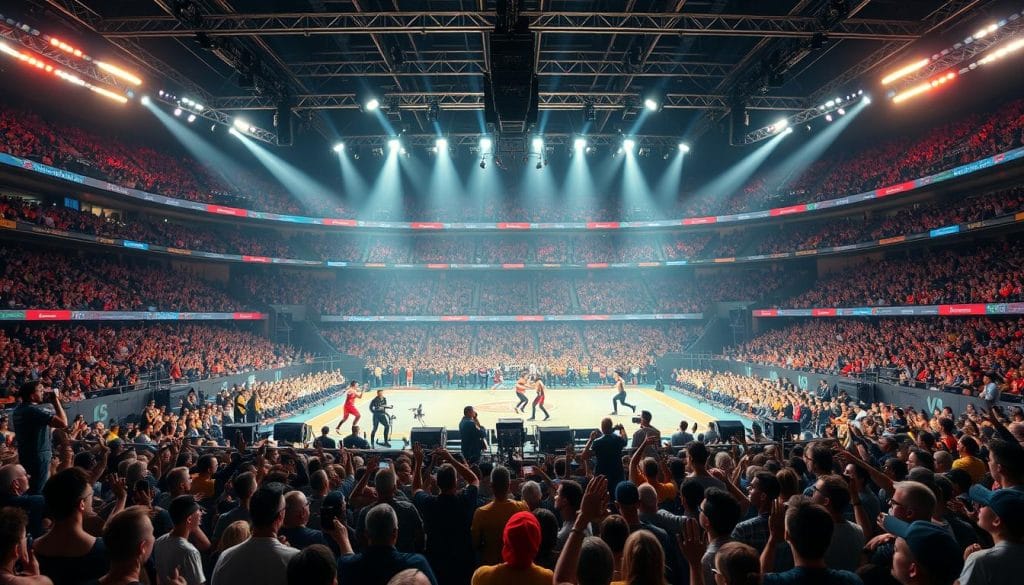
Jake Paul vs. Mike Tyson became the defining crossover event. Tyson reportedly earned about $20 million. Netflix streamed the main card, and Paul won after eight rounds. That outcome led to hours of debate and “fix” speculation online.
Paul pushed back on conspiracy chatter, noting Tyson’s elusiveness and tactical reads. Athlete debriefs shifted the narrative toward footwork, stamina, and strategy instead of simple headlines.
Lookalike contests, crowds, and unexpected cameos
Lookalike lineups also captured attention. A Timothée Chalamet contest escalated when an entrant was briefly arrested as the real actor appeared. In San Francisco, Dev Patel joked he’d lose after 500+ hopefuls showed up.
- Fans debated key exchanges and replayed the best clips for hours.
- Livestreaming let people follow the same incident in real time from around world.
- Short videos and recaps kept the energy alive long after the bell rang.
The lasting highlight was connection: being present at the arena or on the sidewalk made each moment feel shared. These spectacles proved that personality and story can be as magnetic as belts and records.
Relationships, statements, and the unexpected soft side of celebrity
This year, quieter personal beats often cut through the noise and reminded us why human details matter. Small, honest episodes offered a different frame for public life.
Bennifer’s split: paperwork, timelines, and fans parsing every statement
Jennifer Lopez filed for divorce from Ben Affleck on August 20, 2024. The filing listed April 26, 2024 as their separation date.
Fans watched legal timelines in public documents and reacted with empathy. Sightings of the pair with family showed that love can evolve even after years together.
Grimes, Elon, and a baby’s cry that changed an interview
During a Vanity Fair interview at home, a baby’s cry from upstairs revealed Exa Dark Sideræl. That candid sound turned a quiet interview into a newsline.
People debated privacy and timing. The scene asked how parents choose what to share when the smallest noise becomes a headline.
Dame Helen Mirren’s ode to GPS and cultural replies
“I wish Kurt Cobain had GPS,”
The remark inspired playful replies rather than anger. It proved a gentle, human comment can lift coverage toward humor.
- These beats showed that a clear statement or a child’s sound can shift the tone of the media.
- Names, dates, and small details matter — but the lasting feeling is often tenderness.
Throwback viral clips that kept resurfacing in 2025
Some clips refuse to stay in the past; they pop back up and teach new audiences how the internet remembers. These archive beats reappear in feeds during slow news days or when a current slip echoes an old one.
Steve Harvey’s Miss Universe mistake and its endless second life
Steve Harvey’s 2015 wrong-winner announcement remains a perennial rewatch. That single moment — the reversal on live TV — is replayed as a master class in stakes, timing, and recovery.
Media and users pull the clip back into conversation around awards season. Each replay reframes the event from shock to a study in handling pressure onstage.
Ashlee Simpson’s SNL lip-sync jig that still racks up views
Ashlee Simpson’s 2004 SNL lip-sync gaffe and her on-air recovery dance keep attracting new views. The short video is stitched into memes, edits, and reaction threads that cross generations.
Users often role-play “if that happened now,” imagining how modern platforms would amplify the scene. Over the years, what began as embarrassment reads as resilience and showmanship.
- Timeless clips: some videos age into cultural references that resurface every few years.
- Context shifts: shock softens into a shared wink as new audiences discover the footage.
- Archival power: accessibility keeps select beats on permanent standby, letting past days shape present conversations.
“Time can turn a gaffe into a lesson in craft and character.”
Conclusion
A stream of quick videos, interviews, and live shows turned scattered events into shared rituals. In a short time, a single clip could travel across social media and bring fans together within hours.
From a tour chorus to a surprise song, the audience shaped the story. Across the world, fans and creators stitched lines and clips into new meaning, and the way we follow a release changed with every scroll.
The star and the crew both felt the heat. Actors, singers, and artists learned how an incident can reveal craft, or test grace, while memes and edits often reframed the scene with humor or care.
As the year ends, carry these moments forward as evidence that the internet can unite us. Take one last look at your favorite video — the next wave is already gathering, and you are part of the way it begins.
FAQ
What made 2025 such a standout year for viral celebrity moments?
A mix of high-profile tours, candid interviews, award-show surprises, and social media clips created nonstop shareable content. From music feuds and onstage statements to candid kitchen scenes and red-carpet exchanges, fans and media amplified each clip worldwide within hours, turning single incidents into global talking points.
How did music events like Drake vs. Kendrick and the Oasis reunion shape online conversation?
Diss tracks, streaming numbers, and legal headlines kept fans engaged, while Oasis’s reunion and ticketing controversies highlighted how demand and dynamic pricing spur debate. Concert clips and reaction videos multiplied views and fed debates across platforms, keeping those stories trending for weeks.
Why do awards shows keep producing replayable incidents?
Live TV creates unrehearsed, high-stakes moments ripe for instant sharing. Mix-ups, interruptions, and mic misfires—especially at the Oscars, Emmys, and Miss Universe—give viewers raw, emotional content that quickly becomes memes, think pieces, and water-cooler talk around the world.
Which interview or social clip stood out for combining charm and controversy?
Amelia Dimoldenberg’s Chicken Shop Date with Andrew Garfield drew huge attention for its playful flirtation. Similarly, candid interviews—like Bella Hadid’s sneaker chat or Kendall Jenner’s kitchen scene—became meme fuel because they felt intimate and easily remixable for humor and commentary.
How do movie premieres turn into internet events beyond box office talk?
Red-carpet tension, rumored disputes, and viral onstage exchanges turn premieres into cultural moments. Clips from screenings or carpet interviews—such as reactions tied to big titles like The Joker sequel or It Ends With Us—spark fan theories, headlines, and social debate that extend a film’s visibility beyond critic reviews.
What role do sports and crossover spectacles play in online virality?
High-profile fights and livestreamed stunts blend athletic drama with entertainment. Events like Jake Paul’s bouts draw massive pay-per-view and streaming audiences, while lookalike contests and celebrity appearances create shareable highlights that cross fanbases and platform boundaries.
How do relationship announcements and private moments go public so fast?
Fans and media rapidly dissect social posts, interviews, and legal filings. Surprise revelations—like an offhand comment about a child or a public split—are captured, reshared, and analyzed within hours. That speed turns personal statements into long-running public narratives.
Why do older clips keep resurfacing and gain traction again?
Nostalgia cycles, anniversaries, and new contexts make throwback clips relevant. Memorable blunders—such as Steve Harvey’s Miss Universe error or Ashlee Simpson’s SNL moment—resurface when a new event echoes the past, fueling renewed sharing, commentary, and meme creation.
How can viewers tell the difference between real incidents and edited or misleading clips?
Check original sources, timestamps, and reputable outlets before sharing. Look for full-length footage or verified accounts, and be cautious of heavily edited snippets that lack context. Reputable media outlets and the artists’ official channels often clarify misunderstandings quickly.
What impact do these widespread clips have on the people involved?
Viral exposure can boost careers, drive streaming and ticket sales, and shape public image. It can also invite intense scrutiny, legal disputes, or unwanted media pressure. Many artists and public figures respond with statements, interviews, or legal action to manage fallout and protect reputations.
Can memes and clips influence awards, ticket sales, or streaming numbers?
Absolutely. A widely shared clip can reignite interest in a song, film, or tour, leading to spikes in streams, ticket demand, and social engagement. Memes often become marketing momentum that benefits artists and projects long after the initial incident.
How do creators and talent teams prepare for potential onstage or live mishaps?
Professionals rehearse contingency plans, employ PR teams, and coordinate social channels to respond fast. Clear messaging, quick corrective posts, and controlled interviews help steer the narrative and protect long-term projects like tours or film releases.
What should fans keep in mind when engaging with sensational clips online?
Celebrate the fun, but be thoughtful. Pause before sharing, seek context, and respect privacy when situations involve personal hardship. Responsible sharing helps keep the conversation constructive and prevents harm to individuals caught in viral cycles.