What Celebrities Eat in a Day Reality vs Myth
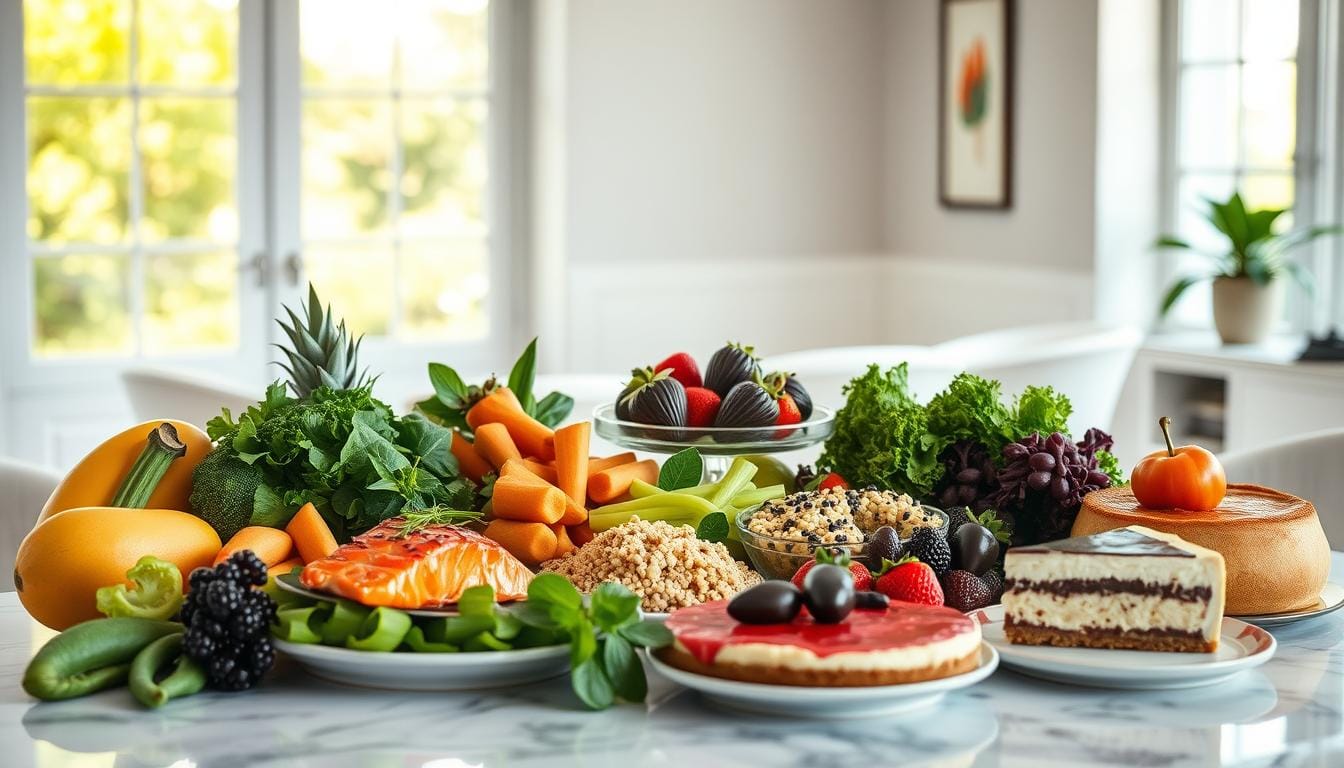
This piece peels back the glossy stories about celebrity diets to show what a realistic day of food can look like. Think of a “what I eat in a day” post as a snapshot, not a lifetime plan. Many famous names work with chefs and nutrition pros, so their routine can be tailored and intense.
Kim’s reported Atkins 40 routine—about 40 grams of carbs, lots of water, and no sugar—differs from Victoria Beckham’s decades-long pattern of grilled fish, avocado, nuts, steamed vegetables, and fruit. Marilyn Monroe’s morning of two raw eggs in warm milk and a protein dinner sounds dramatic, but it’s one menu, not a permanent rule. Use these examples as inspiration, not strict instruction.
Key Takeaways
- Snapshots, not scripts: A single day shows habits, not your whole life.
- Access matters: Private chefs and trainers shape many routines.
- Look for patterns: Lean protein, vegetables, fruit, smart carbs, milk or water for hydration matter more than a trend.
- Choose sustainable: Pick a diet that fits your body and your schedule for years.
- Translate, don’t copy: Use celebrity food as ideas to build steady eating and movement habits.
- Health first: Prioritize balance, sleep, and stress management alongside what you eat.
Behind the glam: why “what I eat in a day” content skews reality
Short clips and glossy posts compress hours of prep, coaching, and context into a few meals. That makes a complex routine look simple. Editors pick photogenic foods and trim the rest.
Many influencers and celebrities omit off-camera snacks, travel meals, and recovery food. Hydration timing and water targets rarely appear, yet they matter for weight and how your skin or clothes look.
- Videos often spotlight low-carb phases—Kim Kardashian has used tight carb windows for short goals, not a lifelong diet.
- Weekday routines, weekend treats, and travel days get skipped, so you don’t see true habits across days per week.
- Detox buzzwords or trend foods may grab clicks, but they can mask nutrient gaps and the real risk of copying a single day.
Treat these posts as inspiration, not instruction. Use them to try ideas, then build a balanced plan that fits your time, activity, and long-term health.
Reality vs myth: celebrity diets that trend—and what really works
Short-term fixes can deliver quick change for a role, but lasting habits win over time. Below we unpack common approaches and note what nutritionists say about real-world results.
Low-carb and keto: quick water shifts, not instant fat loss
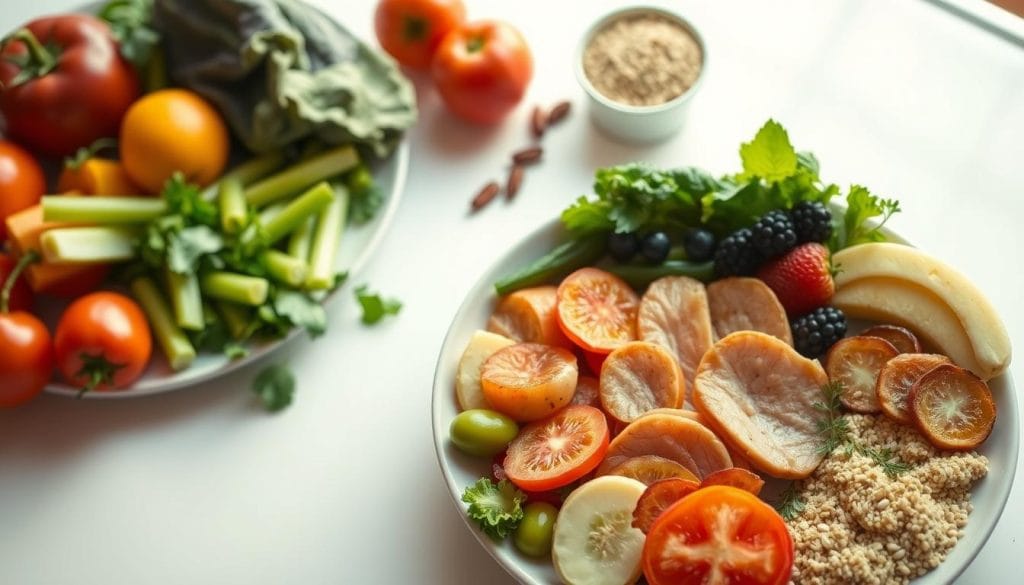
Cutting carbs can push the body toward ketosis and drop water weight fast. Stars like kim kardashian and others use low-carb phases for rapid change before a shoot or event.
Remember: early scale loss often reflects water, not pure fat, so reintroducing carbs carefully helps training and recovery.
Intermittent fasting: tools for a deadline, not always a lifestyle
Methods such as 5:2 or the Fast 800 can speed fat loss for a short runway to a role. Long-term success depends on what you eat in feeding windows and keeping protein and calories adequate.
Plant-based and Mediterranean: steady, evidence-backed choices
Vegan and plant-forward patterns supply fiber, micronutrients, and energy when planned well. Mediterranean-style meals—fish, beans, healthy fats, and produce—score highly for heart health and longevity.
Macrobiotic and cleanses: caution and context
The macrobiotic diet can be a mindful lifestyle but risks nutrient gaps at extremes. Detox culture and juice-only cleanses may show temporary loss, then rebound. A fresh juice can boost nutrients, but it should not replace whole food long term.
- Focus on sustainability: pick plans you can follow for years.
- Prioritize protein and plants: they support performance and satiety.
- Use periodized approaches: short-term strategies can work for a role, then transition to balanced eating.
What celebrities really eat in a day: sample patterns vs perfection
Behind polished posts, most daily menus stick to simple anchors that fuel work and life. These patterns prioritize protein, produce, and steady hydration over one-off extremes.
Protein-forward days
Examples: Jennifer Lopez and Rebel Wilson favor turkey, chicken, fish, beef, and nuts with big plates of vegetables.
This approach stabilizes energy and supports a lean, strong body without counting every pound.
Simple and steady routines
Kendall Jenner and Jennifer Aniston show how a predictable flow—from a protein-rich breakfast to balanced lunch and dinner—keeps hunger in check.
High-veg, good-fats approach
Victoria Beckham’s pattern leans on fish, steamed vegetables, avocado, and regular water to keep meals clean and satisfying.
Flexible moderation
Bella Hadid’s team favors high protein and non-starchy fruits and vegetables, proving consistency beats perfection per day.
- Quick tip: build your plan around lean protein, colorful produce, and simple carbs.
- Small wins: a breakfast of eggs and avocado or a green smoothie helps with later performance.
What nutritionists and dietitians say about popular celebrity diet plans
The best evidence-based approaches prioritize daily nutrient targets and realistic portions over extremes. Experts point to patterns that protect heart and metabolic health while fitting real lives.
Balanced patterns that support health
Mediterranean, plant-forward, and lower-GI plans earn consistent praise from dietitians. These patterns link to lower risk of type 2 diabetes, high blood pressure, and high cholesterol.
Foods like whole grains, beans, vegetables, fish, nuts, and olive oil deliver fiber, omega-3s, and steady energy across meals.
Shortcuts vs sustainability
Intermittent fasting models such as 5:2 or the Fast 800 can help with weight loss when meals still supply protein and nutrients.
Carb quality matters: choose whole grains and legumes over processed options. Calories still count, and breakfast can act as a useful nutrient anchor.
- Protein variety: chicken, fish, beans, and tofu make rotation simple.
- Dairy or alternatives: milk, yogurt, or fortified options support calcium and protein.
- Practical tip: aim for balance per meal and check sleep, stress, and activity when planning a lifestyle change.
Red flags: risky “quick fix” plans that can harm health and weight loss
Quick fixes often trade real nutrition for fast numbers. That makes them tempting, but the long-term cost can be high. If a plan promises dramatic change in days, probe deeper.
Master Cleanse, baby food, and cookie approaches
The master cleanse is a 10-day liquid routine of lemon, maple syrup, cayenne, and water. People add laxatives or salt flushes. It can cause hunger, weakness, muscle loss, and metabolic slowdown.
Fast pounds lost here are mostly water and lean mass, not durable fat loss. Baby food swaps and cookie plans cut calories to 800–1200 and lack fiber, calcium, and vitamin D.
Over-restriction pitfalls
An extreme macrobiotic diet or color-only days can miss calcium, protein, and B vitamins if followed for years. Repeating narrow patterns across many days week raises medical risk.
“Short-term drama is not worth the long-term damage.”
- Warning signs: eliminating whole food groups, laxative use, or promises of no hunger.
- Better: choose plans that include steady protein, fiber, and real food. Talk with a pro before severe restriction.
From Hollywood to your kitchen: build a realistic eating plan you can live with
Turn inspiration into a repeatable plan by anchoring three meals and one to two smart snacks each day. This simple frame removes decision fatigue and keeps energy steady.
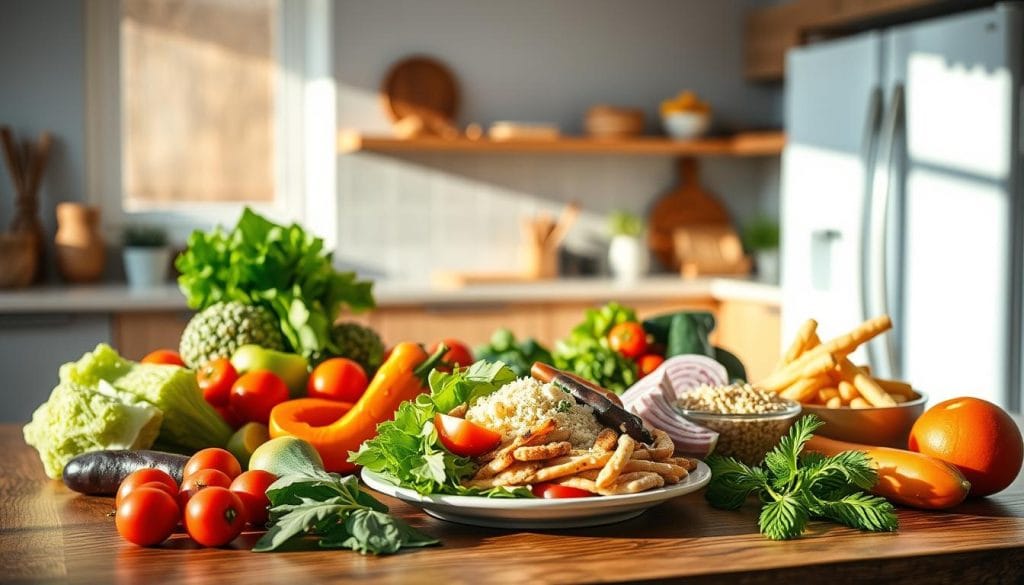
Make it practical: meals, snacks, water, fruits and vegetables, lean protein, smart carbs
Front-load your cart with fruits, vegetables, and quick proteins like grilled chicken, fish, beans, or eggs. Add a handful of nuts for snacks and healthy fats.
Keep breakfast flexible — smoothies, eggs with avocado, or yogurt and berries work on busy mornings. For dinner, use a template: protein + two vegetables + a smart carb such as brown rice or beans.
- Build a weekly plan you can repeat: anchor three meals and 1–2 snacks.
- Hydrate with water and treat fresh juice as a side, not a meal.
- Prep twice weekly, lean on frozen produce, and use spices to keep real food exciting.
Track how this plan feels in daily life. If energy and recovery improve, you’ve found a sustainable diet that fits your lifestyle. Choose one small upgrade at a time so progress stacks without overwhelm.
Celebrity diets: how to separate inspiration from imitation
Taking ideas from famous plates can help, but swap imitation for adaptation. Use one appealing breakfast or a dinner template and make it fit your schedule and taste.
If you want to lose weight, focus on consistent meals and steady protein rather than copying one perfect per day post. Track portions, watch overall calories, and choose foods you can repeat across days.
- Borrow a meal idea—grilled chicken or a fruit-forward smoothie—and repeat it when it works for your life.
- Ask whether a tactic suits your work, family, and training before trying a role-driven plan.
- Enjoy a fresh juice or smoothie as a micronutrient boost, not a magic fix; keep fiber from whole foods front and center.
- Watch how your body responds across several days; adjust meals and timing based on hunger, sleep, and energy.
In the end, inspiration fuels change; imitation can trap you. Curate the small wins you can keep—better breakfast choices, steadier snacks, clearer routines—and the body and life benefits will follow.
Conclusion
Real progress comes from simple routines you can repeat every day, not dramatic short-term fixes. Build a clear plan that centers on protein at each meal and plenty of vegetables to support steady weight loss and lasting change.
Keep dinners easy and satisfying so you protect momentum at the end of long days. Small habits — a warm glass of milk now and then, balanced meals with smart carbs, and consistent nutrients across the week — add up without strict rules or social sacrifice.
Expect results in weeks and months, not overnight. Track how your body feels, aim for gradual weight and pounds loss, and use celebrity ideas as inspiration to design a diet you can live with for the long haul.
FAQ
What’s the difference between a “what I eat in a day” video and a real, sustainable eating plan?
Short-format videos highlight moments, not routines. They often show polished meals, timing for filming, or temporary plans for roles. A sustainable plan focuses on balanced calories, protein, vegetables, healthy fats, and consistent hydration over weeks and months — not just a single day of pretty plates.
Do low-carb or keto approaches used by stars like Kim Kardashian or Halle Berry lead to permanent fat loss?
Low-carb and ketogenic methods can produce quick weight changes, partly from water loss and reduced glycogen. For lasting fat loss, calorie balance, physical activity, and quality of nutrients matter most. Many people succeed short term but regain weight if they don’t adopt a maintainable routine.
Is intermittent fasting a safe long-term strategy or mainly a short-term tool for roles?
Intermittent fasting can help with calorie control and metabolic health for some adults. However, it’s not a universal solution. Nutritionists recommend tailoring fasting windows to energy needs, sleep, and activity. For long-term success, pair it with nutrient-dense meals and monitor for low energy or disrupted eating patterns.
Can a plant-based or vegan approach, as promoted by stars like Ariana Grande and Zendaya, provide all necessary nutrients?
A well-planned plant-based diet can supply protein, fiber, and most vitamins and minerals. Key focuses are varied whole grains, legumes, nuts, seeds, fruits, and vegetables. Some people may need B12 or vitamin D supplements and attention to iron and omega-3 sources.
Is the Mediterranean-style pattern really healthier than trendier plans?
The Mediterranean approach — fish, olive oil, beans, whole grains, and plenty of produce — has strong research backing for heart and metabolic health. It emphasizes balance and enjoyment, making it easier to maintain than extreme, restrictive plans.
Are macrobiotic or celebrity-endorsed detoxes like the Master Cleanse effective and safe?
Strict macrobiotic routines or juice cleanses can cause nutrient gaps and rapid weight rebound. Temporary detoxes usually remove calories and sodium rather than toxins. Health professionals recommend whole-food resets and medical supervision for any extreme regimen.
What do nutritionists recommend when celebrities promote “quick fix” diets like the baby food or cookie diet?
Registered dietitians warn against those quick fixes because they often lack essential calories, protein, and micronutrients. They increase the risk of muscle loss, slowed metabolism, and binge-restrict cycles. Aim for balanced meals that include lean protein, vegetables, fruits, and healthy carbohydrates instead.
How do real celebrity daily patterns differ from staged perfection in media?
Many public figures follow practical, protein-forward days with snacks and hydration, not nonstop pristine plates. Sample patterns include lean proteins like chicken or fish, nuts, vegetables, and occasional treats. The gap is that media clips rarely show off days, travel, or flexibility.
What are red flags to watch for in celebrity-endorsed plans that could harm health?
Beware of extreme calorie restriction, elimination of entire food groups without medical need, reliance on only liquids, or rigid color-only rules. These increase nutrient deficiencies, energy loss, and yo-yo weight patterns. Consult a registered dietitian before trying radical shifts.
How can someone use celebrity routines as inspiration without copying them exactly?
Use celebrity ideas as starting points — for example, adding more vegetables, prioritizing protein, or trying Mediterranean meals — then adapt portions, frequency, and food choices to your lifestyle, medical needs, and activity level. Sustainable change beats imitation.
Should athletes or actors preparing for a role follow the same plan as the general public?
Professionals often work with dietitians, trainers, and medical teams to meet short-term goals safely. Their plans may include higher calories, tailored macronutrients, and monitored supplements. The general public should not replicate these extreme timelines without expert guidance.
What practical steps help build a realistic, long-term eating plan inspired by public figures?
Start with three balanced meals, regular protein at each meal, plenty of vegetables, whole grains or smart carbs, healthy fats like olive oil and nuts, and steady water intake. Add snacks if needed for energy, and focus on consistency rather than perfection.