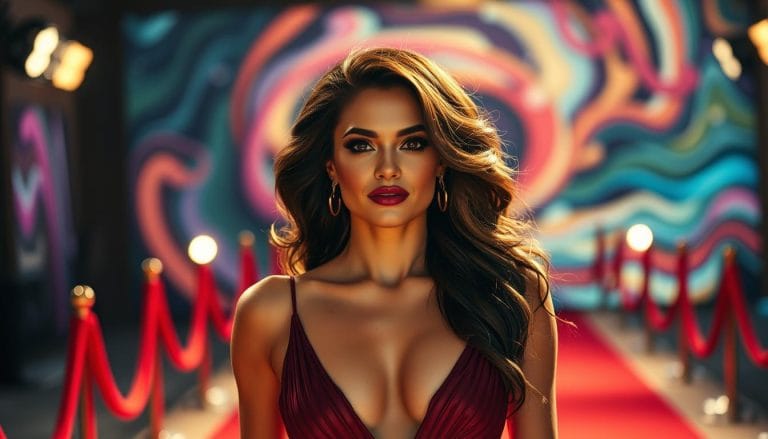
The Most Expensive Outfits Ever Worn on the Red Carpet

Red carpet fashion marks the wardrobe choices stars make at high-profile awards and cultural events. These looks do more than turn heads; they shape headlines and influence brand value for designers and celebrities alike.
Historically, studio costume designers once controlled public images. Since the 1990s, stylists have professionalized the process, turning single gowns into career-making moments. Halle Berry’s 2000 Golden Globes Valentino is a prime example of that shift.
The phrase “most expensive” goes beyond price tags. It covers craftsmanship, bespoke fittings, rare jewels, and archival techniques that create museum-worthy statements. A single photograph at a major event can outperform a magazine spread in reach and return.
This guide dives into couture budgets, publicity economics, and the cultural context that make select outfits feel—and often be—exceptionally costly. Expect close looks at moments where risk met refinement across premieres, galas, and festivals.
Key Takeaways
- High-visibility looks at awards and galas can define careers and brands.
- “Most expensive” includes craftsmanship, jewels, and bespoke work, not just price.
- The industry shifted from studio designers to stylists in the 1990s.
- Iconic moments—Halle Berry, Jennifer Lopez, Björk, Billy Porter—reset expectations.
- A powerful image delivers measurable ROI for designers and stars.
Why “Most Expensive” Red Carpet Fashion Captivates: Couture, Publicity, and Cultural Impact
Publicity and craft fuse on the main steps, where one look can change a label’s fortunes. Designers treat award-show appearances as premium product placement. A single widely run photo can outperform a paid magazine spread in value.
Couture labor matters: hours of fittings, hand-applied crystals, and archival textiles create an instant halo. That visible workmanship tells viewers this is no ordinary gown.
Publicity calculus: syndication across TV, print, and social means a standout moment yields massive reach. Teams aim to land on best-dressed lists and avoid worst-dressed headlines.
Stylists balance authenticity and risk. They pick looks that match a star’s persona while protecting reputations. The goal is a durable image that lasts beyond the live broadcast.

- Events differ: the Oscars favor exclusive couture, Golden Globes allow more ready-to-wear play, and the Met Gala rewards storytelling.
- Loans pose risk for designers, but the payoff can reshape retail and runway trends for seasons after.
“A single iconic look can imprint on culture and extend a brand’s reach for years.”
Effect on industry: scarcity, craftsmanship, and timing combine to make some outfits historically valuable. The most enduring looks pair technical excellence with cultural resonance.
Showstopping Moments That Defined Extravagant Red Carpet Fashion
Some outfits leap off the steps and into cultural memory, changing how events are covered and remembered.
Jennifer Lopez made the green Versace dress a viral benchmark. That ready-to-wear print and daring cut proved a single look can steer coverage and cement jennifer lopez as a trendsetter.
Jennifer Lopez’s 2000 Versace gown
The dress turned photo syndication into instant legend and reshaped how stylists approach publicity.
Björk’s 2001 swan outfit
The swan dress treated the carpet as performance. Its avant-garde audacity ensured decades of references.
Halle Berry’s 2002 Elie Saab gown
Precision tailoring and sheer craft made this a career-defining moment that amplified star power.
| Year | Celebrity | Designer | Why It Mattered |
|---|---|---|---|
| 2000 | Jennifer Lopez | Versace | Viral reach, trendsetting look |
| 2001 | Björk | Marjan Pejoski | Avant-garde performance outfit |
| 2002 | Halle Berry | Elie Saab | Career-making gown, expert craft |
Inside red carpet fashion: how costs add up and why designers invest big
Costs for standout event looks come from craft, rare materials, and hours of bespoke labor.
From atelier hours to jewels: hundreds of hand hours, hand embroidery, and crystal work can push a custom gown into five-figure territory. Top couture pieces sometimes reach about $100,000 before jewelry loans are added.
Materials matter: archival textiles, rare beads, and precious metals increase both cost and perceived value. High-jewelry loans can add millions in retail worth to a single image, magnifying the outfit’s cultural effect.

Media ROI: why a single image can outrun a multi-page spread
A strong look can be syndicated across networks, magazines, and social channels again and again.
This repeated exposure often outperforms a five-page editorial in reach and return, making that one photo a major investment payoff.
Styling ecosystems and the risk-reward calculus
Stylists juggle loans from multiple houses, last-minute changes, and tight fittings. Not every dress is worn; some are never returned.
Designers accept this risk because a breakout moment can lift a label for seasons. Different events set different expectations: Oscars favor couture, Golden Globes accept ready-to-wear, and the Met Gala rewards bold storytelling.
“A single standout look can deliver global exposure worth more than traditional advertising.”
| Cost Driver | Typical Impact | Why it matters |
|---|---|---|
| Atelier hours | Hundreds of labor hours | Handwork defines couture quality |
| Materials & embellishment | Five-figure increases; rare textiles | Boosts perceived and resale value |
| Jewelry loans | Millions in added retail value | Elevates the overall look for media |
| Media syndication | Repeated global reach | Amplifies ROI beyond one night |
Conclusion
A defining look combines artisan skill and a bold point of view that resonates across outlets.
Expense on the red carpet often covers both visible craft and invisible returns. Atelier hours, couture textiles, and high-jewelry loans create the tangible cost. Media syndication, cultural resonance, and trend influence supply the intangible payoff.
The most enduring carpet fashion pairs perfect construction with a clear narrative. A single outfit can photograph cleanly, hold attention, and ripple through events and editorials.
,Consider these moments as case studies in modern storytelling: they show how strategic styling turns one appearance into a season-defining image that reshapes brands, style directions, and public memory on carpets worldwide.
FAQ
What makes an outfit qualify as one of the most expensive ever seen on the red carpet?
Costly looks usually combine couture labor, rare materials like rare gemstones or vintage fabrics, and bespoke tailoring. Designer time, hand embroidery, and custom jewelry escalate prices. Celebrity endorsement and historic provenance can also push an outfit into the highest price tiers.
How do designers justify charging so much for a single look?
High prices reflect artisan hours, specialized techniques, and materials that are often one-of-a-kind. Couture pieces require pattern-making, fittings, and hand stitching. Brands also price in exclusivity and the marketing value a major appearance delivers across press and social media.
Can a borrowed gown still be counted among the most valuable red carpet outfits?
Yes. Loaned gowns from couture houses or private collections can be extremely valuable. Even if the celebrity doesn’t purchase the piece, the outfit’s market value and cultural impact remain, especially when a look generates global coverage or becomes iconic.
How much does jewelry add to the total value of a look?
Jewelry can substantially increase an outfit’s worth. High-carat diamonds, rare colored stones, and vintage pieces from established maisons can add millions. In many headline-making ensembles, jewels represent the largest single cost component.
Are there examples where a simple dress became extremely valuable because of who wore it?
Absolutely. Provenance elevates value. A modest gown can gain market worth if worn during a career-defining moment or by a superstar whose image becomes synonymous with the piece. Auction records often show big premiums for such provenance-driven items.
How do media and social platforms affect the perceived value of a look?
Immediate global exposure amplifies a look’s cultural and monetary value. Viral images, trending hashtags, and magazine spreads translate into brand recognition and long-term demand, giving designers and lenders a strong media return on investment.
Do stylists or publicists influence which high-value pieces get placed on celebrities?
Yes. Stylists negotiate loans, coordinate fittings, and manage on-site changes to ensure a perfect presentation. Publicists time appearances and secure press placements. This team effort is crucial for turning a costly item into a memorable moment.
How do restoration and preservation affect the cost of vintage or archival gowns?
Conservation work can be extensive and expensive. Restorers stabilize fabrics, repair seams, and preserve embellishments. These processes protect provenance and museum-worthiness but also add to the total investment in an outfit.
Are sustainable or ethical practices making an impact on high-end event dressing?
Yes. More designers and celebrities prioritize recycled materials, upcycled vintage, and transparent sourcing. While sustainability can lower environmental cost, bespoke ethical pieces still command premium prices due to craftsmanship and limited production.
How can fans verify claims about an outfit’s price or materials?
Look for official statements from designers, auction house catalogues, and reputable fashion outlets like Vogue, Harper’s Bazaar, or WWD. Verified appraisals and press releases from the brand provide the most reliable information.