
From Stress to Glow: The Science of Beauty Sleep
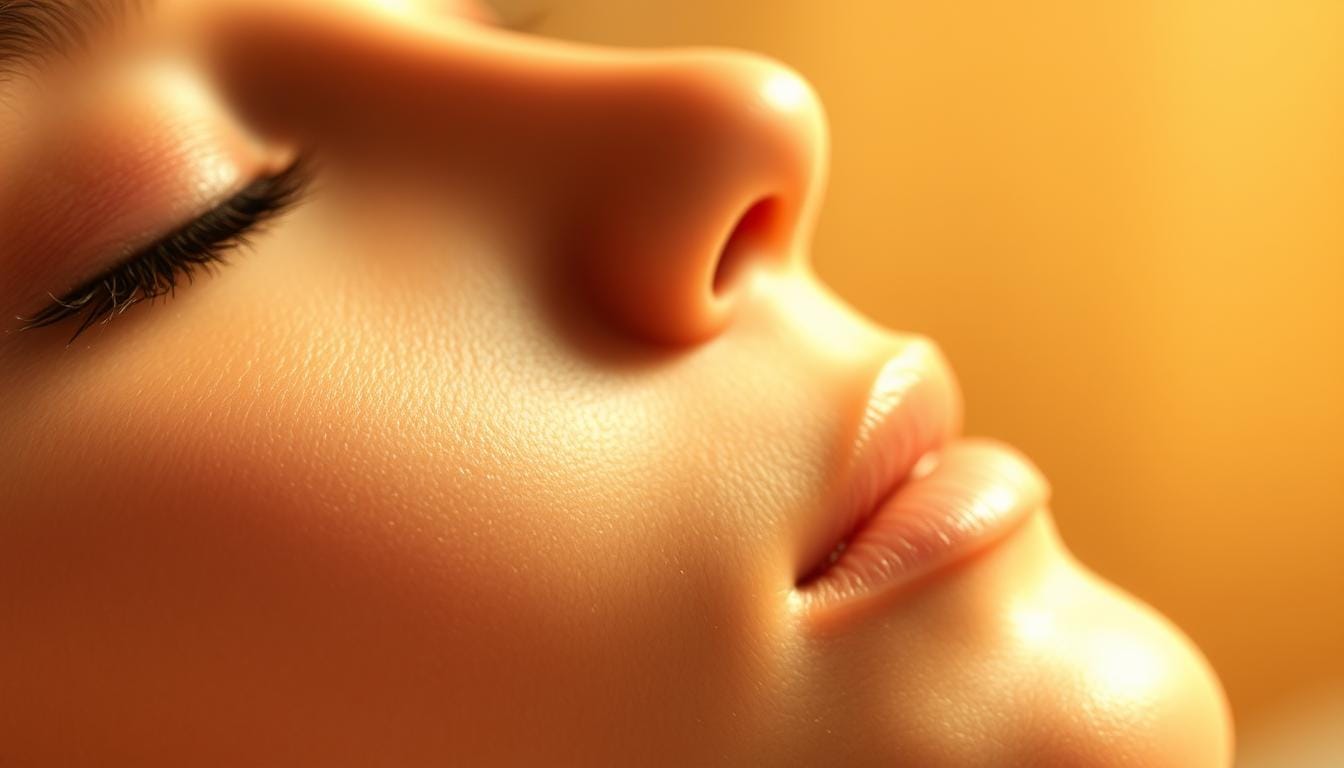
Good rest is not just a tagline. It is the nightly window when your body and brain run repair programs that shape how your face and skin look the next day.
During deep sleep, growth hormone rises and helps rebuild cells, support collagen, and restore tissue. That repair shows up as firmer texture, fewer fine lines, and improved hydration. Adults need at least seven hours to get these full benefits, yet many in the United States fall short.
Even a single poor night can cause paler tone, puffiness, and darker undereye circles. Chronic short rest raises cortisol, which affects oil production, hair cycling, and inflammation. These changes alter perceived health, mood, and how others rate your appearance.
This article explains the underlying science: nighttime blood flow, circadian timing of repair, and how stress hormones interact with skin and hair. You’ll also find practical, time-efficient steps to turn better rest into visible gains — not just quick fixes.
Key Takeaways
- A full night of rest supports growth hormone release and cell repair.
- Poor or late sleep can cause paler skin, puffiness, and more oil production.
- At least seven hours is a recommended baseline for skin and overall health.
- Stress hormones link sleep loss to hair issues and inflammation.
- Simple, science-based habits can boost nightly repair and daily appearance.
The present-day science behind sleep and your skin
At night the body reallocates energy to repair tissues, boost immune defenses, and renew skin cells. This is not guesswork — modern science maps the hormones and circulation that make it happen. Consolidated rest raises growth hormone pulses that support collagen rebuilding and cellular recovery.
What happens overnight: growth hormone, collagen rebuilding, and skin cell repair
When growth hormone rises, the body prioritizes repair. Collagen synthesis gets a boost and skin cells actively replace damaged tissue.
Result: firmer texture and reduced visibility of fine lines over time.
Blood flow, circadian rhythms, and why night is prime time for recovery
Night brings higher skin blood flow and temperature, which delivers nutrients and clears waste. Early morning is a peak window for fixing UV-induced DNA damage.
Disrupted circadian timing or late nights reduces hydration and increases transepidermal water loss, altering complexion and sebum levels.
Stress hormones, immunity, and visible effects on face and eyes
Poor rest raises cortisol, which disrupts immunity and collagen production. The visible outcomes include drooping lids, red or swollen eyes, darker circles, and more pronounced wrinkles.
“Even a single night of restricted rest can measurably reduce elasticity and worsen fine lines.”
- Protect the night window to let growth and repair occur.
- Manage stress to normalize hormone levels and support skin barrier health.
- Align routines with circadian timing to maximize nightly recovery.
How to get more beauty sleep: proven habits for quality rest
Small, consistent habits at night and during the day make the biggest difference in how you recover and look each morning. Aim for at least seven hours per night to let repair processes work. Track your hours and adjust daytime routines to reach that target.

Set a consistent schedule
Wake and go to bed at the same times each day. A stable schedule helps your circadian timing and improves skin recovery.
Build a calming wind-down routine
Swap screens for a warm bath or a book in the last hour before bed. Lower lights and avoid blue light to reduce arousal and promote good sleep.
Time workouts and caffeine
Exercise earlier in the day and limit afternoon caffeine so your body can build natural sleep pressure by bedtime.
Protect eyes and face
Elevate your head and, when possible, train yourself to sleep on your back to reduce fluid pooling around the eyes and facial compression.
Control morning light and manage stress
Use blackout curtains to prevent early light from disturbing your rhythm and to limit incidental dawn UV on skin. If you can’t fall asleep within 20 minutes, get up and do a quiet activity until drowsy.
- Track hours to ensure your routine supports health and mood.
- Practice brief stress tools — journaling or breathwork — to lower arousal before bed.
- Make small changes that you can sustain; cumulative benefits for skin appear over weeks.
Nighttime skincare that works with sleep—not against it
A targeted nighttime skin routine helps products work with your body’s repair window. Clean skin lets blood flow and collagen repair operate without obstruction. Remove makeup, oil, and pollutants to keep pores clear and reduce inflammation.
Cleanse before bed to remove oil, makeup, and pollutants
Cleansing prevents clogged pores, rashes, and acne that can undermine overnight recovery. Sleep with a clean face to lower infection risk and keep texture smooth.
Seal in moisture: richer creams, occlusives, and overnight masks
Nighttime is when barriers rebuild. Use a richer moisturizer and add an occlusive like petroleum jelly or an overnight mask to cut transepidermal water loss.
Result: better hydration, fewer lines, and improved surface resilience by morning.
Pillowcase and hygiene upgrades
Switch to silk or satin to reduce friction and facial compression that deepen wrinkles over time. Consider copper-oxide options to target fine lines near the eyes.
Wash pillowcases regularly and elevate your head slightly to reduce puffiness and circles. Small environment changes keep the face clear and let your routine support recovery.
- Cleanse nightly.
- Lock hydration with occlusives or masks.
- Upgrade linens and wash them often.
Optimize your sleep environment for a good night’s rest
Your bedroom sets the stage for uninterrupted nightly repair; small changes to temperature, light, and sound make a big difference. A cool, dark, and quiet room supports consolidated rest that helps skin recovery and whole-body health.

Cool, dark, and quiet: temperature, blackout curtains, and noise control
Keep the room cool to support restorative cycles and better blood flow to the skin. Use blackout curtains to block early light and reduce incidental UV exposure while you rest.
Reduce noise with white-noise machines or earplugs to limit awakenings. A calmer environment lowers stress arousal and helps you get quality sleep that improves next-day energy and appearance.
Mattress and pillow support: alignment for comfort and reduced facial compression
Select a mattress and pillows that keep your spine neutral. Proper support reduces tossing and lessens facial compression that can deepen lines for side sleepers.
Test firmness and replace bedding every few years. A well-fitted mattress and pillow combo improves comfort, supports circulation, and helps the body maintain repair through the night.
- Declutter and make a wind-down zone — keep devices out of the room.
- Check bedding — choose a mattress and pillow that suit your alignment needs.
- Control light and sound — blackout curtains and white noise preserve continuity of rest.
Troubleshooting: reversing the visible effects of poor sleep
Many common facial changes trace back to altered circulation and hormone shifts at night. This section offers focused fixes for dark circles, lines, greasy hair, and when to seek medical help.
Dark circles and puffy eyes: circulation, fluid retention, and practical fixes
Dark circles under the eyes often reflect vessel dilation and fluid pooling beneath thin skin. Pigmentation and genetics also play a role.
Try elevating the head to improve circulation and reduce bags. Cool compresses for 10 minutes can shrink vessels and ease puffiness.
Prioritize a consistent sleep schedule to lower the odds of chronic blood flow changes that worsen circles and puffiness.
Wrinkles, fine lines, and elasticity: collagen support through better rest
Short-term sleep deprivation speeds loss of elasticity and deepens fine lines. Over time, poor rest impairs collagen maintenance in skin cells.
Improving nightly rest helps preserve collagen and can soften lines. Switch to a back-sleep position and a low-friction pillowcase to cut facial compression.
Greasy hair and dandruff: cortisol, sebaceous activity, and recovery
High stress and raised cortisol levels increase sebaceous oil production and can trigger more flaking. That makes hair feel greasy and worsens dandruff.
Adopt a gentle scalp routine: mild shampoo, less frequent heavy styling, and a calming nightly ritual to lower stress and support scalp recovery.
When to see a doctor: persistent sleep issues and skin concerns
If poor sleep, frequent awakenings, loud snoring, or daytime fatigue persist, consult a clinician to check for insomnia or sleep apnea.
See a dermatologist if dark circles, persistent rash, or worsening lines do not improve after routine and environment changes. Professional evaluation can provide targeted treatment and medical information about underlying health.
- Quick fixes: head elevation, cool compresses, and consistent bedtime.
- Medium-term: back sleeping, silk pillowcase, and scalp-friendly cleansers.
- Seek care: persistent poor sleep or skin issues despite changes.
Conclusion
Nighttime repair is a predictable, science-backed process you can support with simple habits. Quality rest boosts growth hormone pulses, collagen rebuilding, and improved skin blood flow. Those processes drive visible benefits for the face and overall appearance.
Big wins: aim for seven-plus hours, keep a circadian-aligned routine, and use practical tips — cleanse before bed, lower lights, try a silk pillowcase, and elevate your head when needed. Small changes done consistently beat sporadic overhauls.
Start tonight: pick one wind-down habit and one cleansing step. These two moves often show changes by day two or three. Prioritize this daily practice — it complements topical care and protects mood, energy, and long-term health.
FAQ
How does overnight recovery improve skin repair?
Night is when growth hormone peaks and cells ramp up regeneration. During deep rest, collagen production increases and skin cell turnover accelerates, helping repair daily damage from UV, pollution, and oxidative stress. This cellular rebuilding supports firmer, smoother skin and reduces the appearance of lines over time.
Why do dark circles and puffiness get worse after poor rest?
Lack of quality rest alters blood flow and lymphatic drainage around the eyes, causing fluid retention and capillary visibility. Elevated cortisol from stress and sleep deprivation also thins skin and makes discoloration more noticeable. Simple fixes like cool compresses, elevating the head, and improving sleep duration can reduce puffiness and shadowing.
How many hours of uninterrupted rest are recommended for skin recovery?
Aim for at least seven hours of continuous rest most nights. That window supports full cycles of deep and REM stages, which are tied to hormonal balance, immune function, and collagen repair. Consistent timing matters as much as total hours because circadian rhythm alignment optimizes cellular restoration.
What bedtime routine elements actually boost nighttime repair?
A predictable wind-down helps lower arousal and stress hormones. Include a warm bath, 20–30 minutes of reading, and a tech-free buffer before bed. Gentle stretching or mindfulness lowers cortisol. Removing makeup and applying a richer night cream or occlusive helps seal moisture while skin renews.
Can mattress or pillow choice affect facial lines and skin compression?
Yes. Poor support increases tossing and facial pressure, which can accentuate sleep lines over years. A supportive mattress and a pillow that maintains spinal alignment reduce facial compression. Silk or satin pillowcases also lower friction that contributes to creasing and irritation.
How does timing of exercise and caffeine impact nighttime recovery?
Intense workouts too close to bedtime raise core temperature and arousal, delaying deep restorative stages. Finish vigorous training at least 2–3 hours before bed. Limit caffeine after mid-afternoon to avoid sleep fragmentation that disrupts growth-hormone–linked repair processes.
What skincare ingredients work best overnight to complement rest?
Use ingredients that support repair and barrier function: retinoids and peptides promote collagen synthesis, niacinamide reduces inflammation, and ceramides restore lipids. Apply thicker creams or overnight masks to lock in hydration; antioxidants like vitamin C are better in morning routines to avoid sensitivity.
How can light exposure in the morning and evening affect skin and circadian rhythm?
Bright morning light helps set circadian timing, improving daytime alertness and nighttime restoration. Evening exposure to blue light from screens suppresses melatonin and delays repair cycles. Use blackout curtains at night and get natural light early to protect sleep-driven skin recovery.
What practical steps reduce greasy scalp and dandruff linked to poor rest?
Chronic stress and disrupted rest raise cortisol, which increases sebaceous activity. Improve sleep habits, wash scalp regularly with a gentle, medicated shampoo if needed, and manage stress through relaxation techniques. If symptoms persist, consult a dermatologist for targeted treatments.
When should I see a doctor about persistent skin changes related to sleep problems?
Seek medical advice if dark circles, puffiness, or skin texture changes do not improve after consistent sleep and skincare measures, or if you experience chronic insomnia, severe daytime fatigue, or breathing issues at night. A clinician can evaluate for sleep disorders, hormonal imbalances, or dermatologic conditions and recommend treatment.


