
How to Read Skincare Labels Like a Chemist
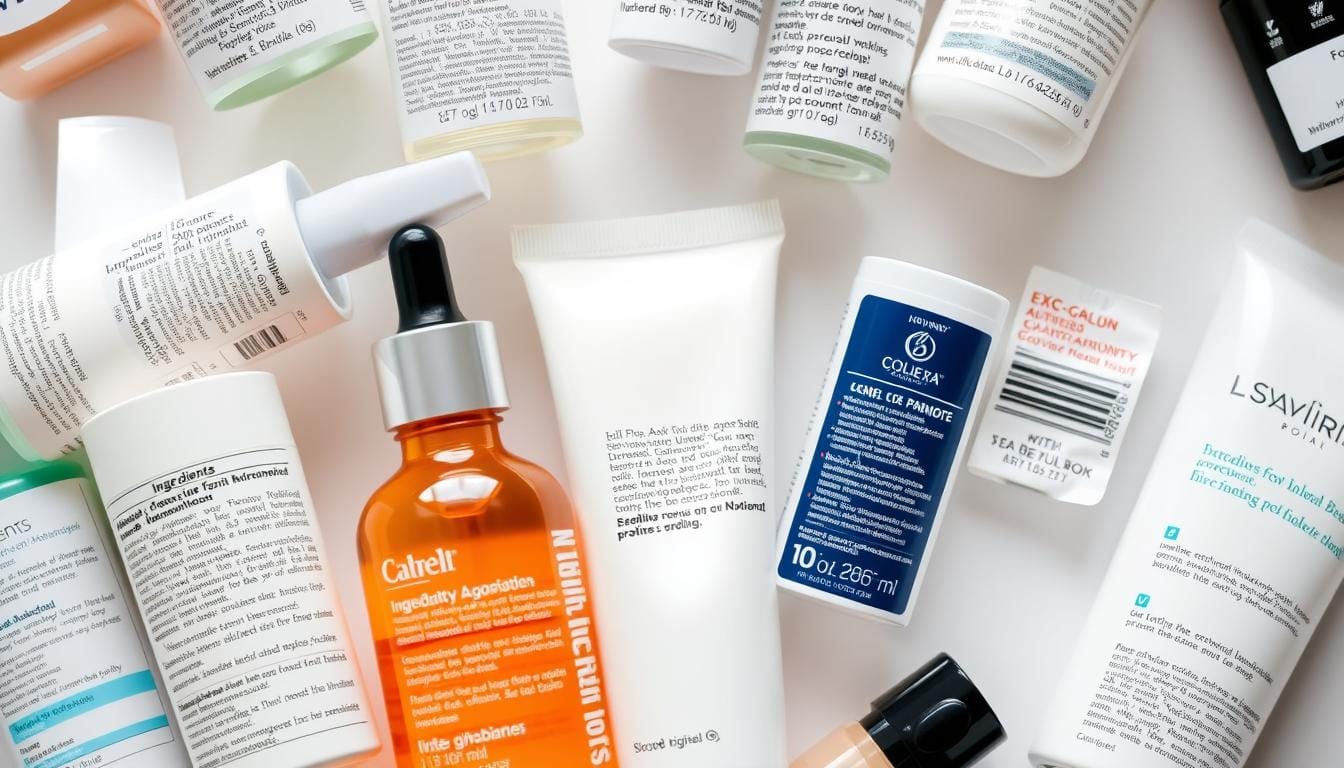
Reading a label the way a chemist does means looking past the marketing and focusing on what the formula actually contains.
The Federal Trade Commission requires brands to list items in descending order by weight, so the first three to five entries usually make up most of a product. INCI names use scientific terms for non-plant parts and Latin names for botanicals, which helps you compare formulas across brands.
Many products highlight trendy actives up front while relying on cheaper bases or thickeners in bulk. Scan early-list solvents, humectants, and emollients to see a product’s real priorities.
Key Takeaways
- Prioritize the first 3–5 listed items — they represent most of the formula.
- INCI naming lets you cross-check scientific and Latin names for accuracy.
- Spot marketing inflation: actives may be present in low amounts despite big claims.
- Look for core families: humectants, barrier lipids, exfoliating acids, and antioxidants.
- Match an ingredient’s function to your goals to avoid overlap and irritation.
Why learning to read skincare labels matters today
Reading labels with context helps you tell whether a hyped active is meaningful or only decorative. Marketing often highlights a trendy ingredient on the front, but the list order reveals what actually shapes performance. Use the list to spot whether that active appears early enough to affect results.
INCI names and descending concentration rules are your best anchors. Scientific names and Latin plant labels let you compare products across brands. If water or a solvent tops the list, expect a lightweight base; emollients or silicones later will explain texture.
Marketing vs. science: spotting buzzwords on care products
Front-of-pack claims can overshadow the base system of solvents, humectants, and stabilizers. Check whether the promoted actives sit in the first third of the list; late-list items rarely drive benefits.
Present-day context: rules, trends, and misinformation in the U.S. market
Regulation bans some toxic solvents and propellants; benzene and CFCs are prohibited. Be cautious with products that suggest hydrogen peroxide for acne or wound use. Also watch for formaldehyde releasers and other flagged compounds when choosing a product for the body or face.
- Tip: Compare similar products—matching lead components often mean you’re paying for branding, not superior treatments.
- Tip: For sun protection, verify “broad spectrum” plus filters, and that the rest of the formula supports even application.
How to read an INCI label like a chemist
The order on an INCI label tells you which components dominate a product’s performance. Reading the list gives a quick snapshot of what a skin care product will actually do, not what the packaging promises.
Order of concentration: why the first three to five ingredients matter
Ingredients must appear in descending order by concentration. Scan the first three to five names to learn the formula’s base — water, solvents, humectants, and emollients set texture and feel.
INCI naming rules: scientific vs. Latin names for ingredient lists
INCI uses scientific names for non-plant entries (glycerin, dimethicone) and Latin binomials for botanicals (Camellia sinensis). Learn common mappings so you can decode function without marketing noise.
Concentration clues: acids, actives, and where they appear on labels
- Actives first: Meaningful actives like AHAs, BHAs, niacinamide, or ceramides usually appear before fragrance and colorants.
- pH and percent hints: Acids can work at low percentages but should not be buried at the very end if intended for effect.
- Alcohol types: Cetyl/cetearyl are fatty and skin-friendly; ethanol or isopropyl may dry sensitive skin.
Patch testing and skin type considerations
Patch new formulas on a small area of the body for 24–72 hours. For dry skin, favor earlier-listed humectants and occlusives. For oil-prone skin, choose lightweight solvents and non-comedogenic oil options. Sensitive skin benefits from fragrance-free lists with few late-list botanicals.
Skincare ingredients A–D (quick-reference glossary)
This quick glossary covers common actives and base components from A to D, so you can spot what matters fast.
Alpha hydroxy and beta hydroxy acids
AHAs like glycolic and lactic acid exfoliate surface layers to reduce dullness. They increase sun sensitivity, so pair with daily SPF and start slowly. Glycolic acid is generally considered pregnancy-safe when used topically.
BHAs, notably salicylic acid, penetrate pores to clear clogs and improve texture, making them useful for acne-prone and oil-leaning skin.
Soothers, antioxidants, and barrier supports
Aloe vera offers topical soothing for sunburn and irritated skin; choose alcohol-free gels and patch-test plant products if you react to botanicals.
Antioxidants such as vitamin C and vitamin E help defend against environmental damage; ferulic acid can stabilize vitamin C in formulations. Ceramides replenish lipids to lock in moisture and strengthen the barrier.
Actives, solvents, and oils
Azelaic acid calms redness and helps with uneven tone and mild acne. Benzoyl peroxide kills acne bacteria but may dry or irritate—use low strengths first and follow with non-comedogenic moisturizers.
- Butylene glycol improves texture and penetration; some users report breakouts, so monitor response.
- Carrier oils like jojoba and argan dilute essential oils and can support dry skin without heavy residue.
- Dimethicone forms a breathable seal to reduce moisture loss and smooth texture.
Other quick notes
Citric acid often appears for gentle exfoliation and pH adjustment. Collagen in topicals aids moisture retention, while oral forms have limited but growing support. Caffeine shows brief tightening effects in eye and body gels but lacks strong cellulite evidence.
Skincare ingredients E–K: quick-reference glossary
Not all hydrating claims are equal—look for a balance of water-attracting, texture-smoothing, and sealing agents.
Emollients, humectants, and occlusives
Emollients smooth rough texture; think jojoba oil for lightweight slip. Humectants like glycerin and hyaluronic acid draw water into the stratum corneum. Occlusives such as petrolatum or dimethicone reduce evaporation.
EGF and wound-healing claims
EGF appears in some serums with ties to wound pathways, but cosmetic benefits remain emerging rather than proven. Treat such claims as promising, not definitive.
Essential oils and eucalyptus
Eucalyptus and other essential oils can add aroma and topical effects but often sensitize. Always dilute with a carrier oil and patch-test, especially on sensitive skin.
Actives and targeted supports
Ferulic acid stabilizes vitamin C and E in daytime blends. Glycolic acid exfoliates by loosening intercellular bonds and can aid acne and texture; start low and space treatments. Kojic acid and hydroquinone are used for dark spots under regulation; follow guidance.
“Glycerin is a long-studied humectant with strong evidence for improving moisture and barrier function.”
Other common notes
Green tea calms redness and supports acne-prone skin. Hemp seed oil is non-psychoactive; CBD oil differs and has emerging anti-inflammatory data. Kaolin clay helps oily areas without harsh stripping.
- Tip: Layer humectant → emollient → occlusive for best moisture retention.
- Warning: Avoid hydrogen peroxide for breakouts—it can damage tissue.
Skincare ingredients L–P (quick-reference glossary)
From lactic acid to petroleum jelly, this group covers exfoliants, occlusives, and barrier-boosting lipids. Use these notes to match a product to your tolerance and dry skin needs.
Lactic acid and related AHAs
Lactic acid exfoliates gently while attracting water, making it a good pick for dry skin or those new to chemical exfoliation.
Lactobionic acid (PHA)
Lactobionic acid offers mild turnover with minimal sting. It suits sensitive complexions that react to stronger acids.
Lanolin, mineral oil, and other occlusives
Lanolin oil and mineral oil both seal in moisture; lanolin can trigger allergies so patch-test first.
Mineral oil is an effective occlusive, though acne-prone areas may prefer lighter oils or targeted placement.
Aromatic and larger-molecule acids
Lavender oil adds scent and possible calming effects but can sensitize sensitive users. Malic and mandelic acids are larger molecules that penetrate slowly and often cause fewer flares.
Niacinamide, panthenol, peptides, and fatty support
Niacinamide reduces pore appearance, evens tone, and softens fine lines with excellent tolerance. Panthenol soothes and helps moisture retention.
Omega and other fatty acids bolster barrier strength and smoothness. Peptides may aid signaling for firmness but work best alongside proven hydration.
- Tip: Layer humectant → emollient → occlusive at night to lock in moisture.
- Note: Petroleum jelly (petrolatum) remains a go-to for targeted repair and post-procedure care.
Skincare ingredients R–Z (quick-reference glossary)
From retinoids to mineral sunscreens, these entries summarize proven actives for common concerns like acne and aging. Use this mini-glossary to match a product to your routine and build safer, more effective care.
Retinol and retinoids
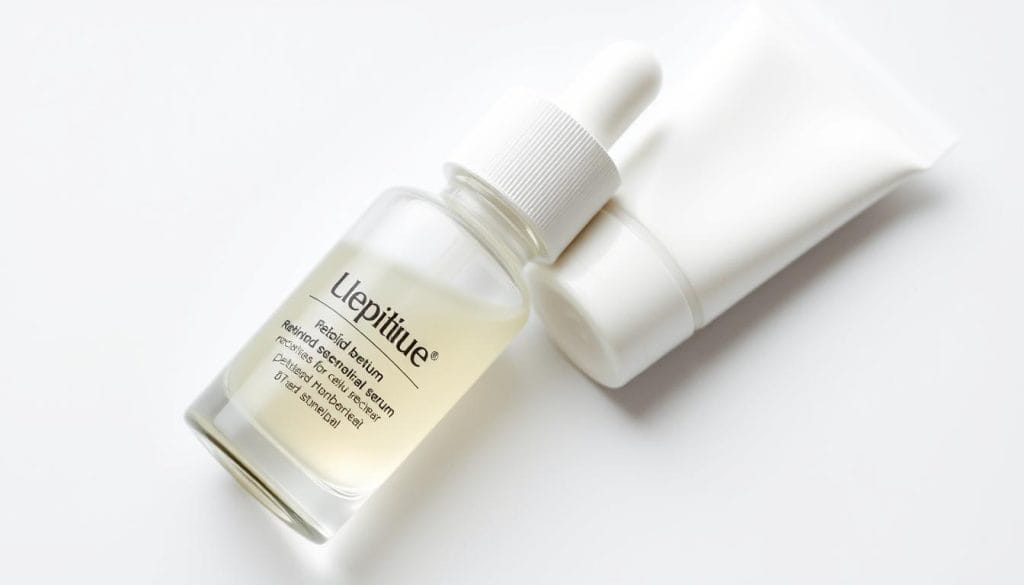
Retinoids (retinol, tretinoin, and newer esters) speed cell turnover and help clear pores and fine lines. Start with low frequency and increase as tolerance builds to avoid dryness and flaking.
Salicylic acid (BHA)
Salicylic acid unclogs pores and reduces shine, making it a go-to for oil-prone areas and recurring breakouts. It can be used as a leave-on serum or in targeted washes.
SPF, broad-spectrum sunscreen
Daily broad-spectrum SPF blocks UVA and UVB and is the single best defense against photoaging. Pick a texture and filter you will use consistently to protect exposed skin.
Squalane / squalene
Squalane is a lightweight emollient that adds slip without greasiness. It layers well under makeup and most sunscreen formulas.
Sulfur and tea tree oil
Sulfur offers antibacterial and keratolytic action in masks or spot treatments for stubborn pimples.
Tea tree oil has antimicrobial potential but can sensitize; always dilute and patch test before regular use.
Mineral filters and actives for tone
Titanium dioxide and zinc oxide are reliable mineral filters that suit sensitive users and provide immediate protection on application.
Tranexamic acid helps fade dark patches when paired with daily sun protection.
Vitamins C and E
Vitamin C brightens tone and defends against oxidative stress when stabilized. Vitamin E complements C and can improve comfort and formula stability.
- Quick tips: Retinoids = start slow. Salicylic acid = target oily zones. SPF daily = non-negotiable.
- Squalane pairs under sunscreen. Rotate sulfur for acne spots. Patch-test tea tree oil.
Active ingredient families and what they do
Active families explain how a formula works at a glance. Grouping actives clarifies whether a product aims to hydrate, soften, seal moisture, resurface, or protect from the environment.
Humectants
Hyaluronic acid, glycerin, and betaine pull water into the outer layer of the skin, giving an immediate plump look.
Lock humectants in with an emollient or occlusive to sustain moisture and avoid tacky finish.
Emollients
Plant oils, fatty alcohols, and butters smooth rough texture and reduce friction. They make leave-ons feel comfortable and improve makeup glide.
Occlusives
Petrolatum, dimethicone, and mineral oil form a barrier to cut evaporation. Use them at night or in dry climates to protect barrier function.
Chemical exfoliants
AHAs (surface), BHAs (pores), and PHAs (gentler turnover) speed cell renewal and clarify tone. Balance their use with barrier support and daily sunscreen.
Antioxidants
Vitamin C, ferulic acid, and green tea phenols counter environmental stress and boost visible resilience. Stable blends with vitamin E often retain potency longer.
- Tip: Combine hydrating humectants with emollients and an occlusive for best moisture retention.
- Tip: Match textures to climate so you use products consistently — adherence matters as much as formulation.
“Ingredient families work best in concert: hydration, cushioning, and occasional exfoliation deliver reliable benefits.”
Skincare ingredients to avoid, limit, or patch-test
Not all compounds on a label are harmless; some deserve caution or avoidance. Use this checklist to spot risky entries and reduce cumulative irritation from products.
Parabens and phthalates
Parabens are a preservative family under scrutiny for possible endocrine effects. If you prefer to minimize exposure, choose products with alternative preservation systems.
Phthalates (used as plasticizers) are also questioned for long-term safety. Look for brands that disclose their use or offer phthalate-free care products.
Sulfates, formaldehyde, and formaldehyde releasers
Sulfate surfactants like SLS/SLES can dry and irritate if left on skin; reserve them for rinse-off cleansers and follow with moisturizers.
Formaldehyde and releasers pose sensitization and carcinogenic concerns. Favor formulations that use safer preservatives when possible.
Benzene, CFCs, and other regulated solvents
The FDA classifies benzene as a Class 1 solvent and a known carcinogen; avoid products that may be contaminated. CFC propellants are prohibited in cosmetic aerosols.
Hexachlorophene is restricted and should not appear in routine leave-on products for the face or mucous areas.
High-irritation alcohols and hydrogen peroxide
Denatured ethanol, isopropyl, and benzyl alcohol can disrupt barrier function, especially after exfoliation or procedures. Scrutinize high concentrations in leave-ons.
Hydrogen peroxide is discouraged for acne or wound care due to tissue damage and slower healing; avoid using it on compromised skin.
“When in doubt, simplify: fewer, well-tolerated treatments reduce cumulative irritant load while sustaining results.”
- Patch test strongly fragranced or essential oil-heavy formulas before use on face or body.
- Track reactions in a routine journal to avoid repeating exposures that cause redness or stinging.
- Tip: Treat benzene and prohibited propellants as red flags and choose well-regulated products.
Match your skin concerns to the right ingredients
Match your primary concern to a focused routine so each product has a clear role. Pick one or two goals and layer actives and emollients that support those care purposes. This approach helps you avoid overlap and irritation.

Acne-prone and oil skin
Use salicylic acid to clear pores and benzoyl peroxide to reduce bacteria. Add niacinamide to calm tone and control oil without heavy feel.
Space strong treatments to lower cumulative irritation and choose non-comedogenic emollients for oil skin.
Dry skin or barrier-impaired
Layer hyaluronic acid and glycerin as humectants, follow with ceramide-rich creams, and seal at night with petrolatum on the surface skin.
This sequence restores moisture and repairs the barrier for lasting benefits.
Dark spots and uneven tone
Daytime vitamin C brightens while evening azelaic, kojic, or tranexamic acid targets pigment. Rotate rather than stack strong brighteners in one care product.
Fine lines and wrinkles
Alternate retinol nights with lactic or glycolic acid for resurfacing. Use peptides and antioxidants to support repair and minimize dryness.
Sensitive skin
Prefer PHAs for gentle turnover and mineral sun filters (zinc oxide, titanium dioxide). Choose fragrance-free formulations to reduce risk.
- Tip: Track what your products contain and introduce one new item at a time.
- Tip: Adjust seasonally: add occlusives in winter, favor lighter textures and sun protection in summer.
- Tip: Evaluate active ingredients synergy and avoid overlapping many strong actives in one routine.
Conclusion
A quick scan of the first few listings reveals whether a formula favors hydration, barrier repair, or actives.
Use INCI names and concentration order as a practical filter: staples like glycerin, hyaluronic acid, salicylic acid, benzoyl peroxide, niacinamide, and mineral sunscreens carry the strongest topical evidence.
Patch test, introduce one new product at a time, and favor proven classes—humectants, emollients, occlusives, exfoliants, and antioxidants—to meet your skin care purposes.
Be cautious with banned or discouraged compounds (benzene, CFCs, hexachlorophene, hydrogen peroxide) and with undiluted essential oils; dilute in a carrier oil and monitor for sensitivity.
Daily sunscreen and measured layering of fatty acids, peptides, and vitamins protect results from treatments and support long-term skin health. Reading labels becomes faster with practice and yields better, more intentional purchases.
FAQ
What does INCI mean and why should I learn it?
INCI stands for International Nomenclature of Cosmetic Ingredients. It gives standardized, scientific names for components on product labels so you can spot actives like glycolic acid, niacinamide, or hyaluronic acid regardless of marketing terms. Reading INCI helps you compare concentrations, avoid known irritants, and choose items that match your skin health needs.
How do I know which ingredients matter most on a label?
Ingredients are listed by concentration. The first three to five entries usually determine a product’s feel and main function — for example, water, glycerin, and dimethicone indicate a hydrating, occlusive formula. Active acids and high-strength actives often appear earlier when concentrations are clinically meaningful.
What’s the difference between humectants, emollients, and occlusives?
Humectants (glycerin, hyaluronic acid, betaine) draw water into the skin. Emollients (plant oils, squalane, fatty acids) soften and smooth. Occlusives (petrolatum, dimethicone, mineral oil) form a seal to prevent moisture loss. A balanced product combines the three for effective barrier support.
Can I use acids like glycolic, lactic, or salicylic acid if I have sensitive or dry skin?
Yes, with care. Lactic acid and PHAs (lactobionic acid) are gentler and add hydration, making them better for dry or sensitive types. Salicylic acid helps oily, acne-prone skin but can dry others. Patch testing and lower concentrations reduce irritation risk.
Are essential oils safe in topical products?
Essential oils like lavender, eucalyptus, and tea tree can offer benefits but often cause sensitivity or allergic reactions. Always dilute essential oils in a carrier oil (jojoba, argan) and patch-test. People with reactive or compromised skin should favor fragrance-free formulas.
How do I pick an effective sunscreen ingredient for sensitive skin?
Mineral filters — zinc oxide and titanium dioxide — are less likely to irritate and protect against UVA/UVB. Look for “broad-spectrum” and a suitable SPF. Mineral sunscreens pair well with barrier-supporting ingredients like ceramides and squalane.
What’s the role of antioxidants like vitamin C, vitamin E, and ferulic acid?
Antioxidants neutralize free radicals from sun and pollution. Vitamin C (L-ascorbic acid and derivatives) brightens and defends, vitamin E boosts barrier recovery, and ferulic acid stabilizes vitamin C and enhances protection. Combined, they reduce environmental damage.
Is topical collagen effective for wrinkles? What about peptides?
Topical collagen mainly improves surface moisture; it doesn’t replace lost dermal collagen. Peptides offer signaling support that may improve firmness over time, though clinical evidence varies. Combine peptides with retinoids and antioxidants for better anti‑aging outcomes.
How should I approach acne with active choices like benzoyl peroxide or salicylic acid?
Benzoyl peroxide has antibacterial action but can irritate and bleach fabrics. Salicylic acid penetrates pores to exfoliate and reduce comedones. Niacinamide and sulfur offer complementary effects. Tailor actives to oil level and tolerance, and start with lower strengths.
What ingredients should I avoid or patch-test if I have reactive skin?
Limit fragrances, high‑irritation alcohols (ethyl, isopropyl, benzyl), formaldehyde releasers, and certain essential oils. Patch-test parabens or new preservatives if you have a history of sensitivities. For compromised barrier skin, prioritize minimal, gentle formulas.
How can I tell if an active is present at an effective concentration on the label?
Actives listed near the top of the INCI are likeliest to be clinically effective. For known actives (retinol, vitamin C, benzoyl peroxide), manufacturers sometimes state concentrations on packaging. If an ingredient appears late in the list, it’s probably at a low, likely cosmetic-level dose.
What are common preservative concerns and safer alternatives?
Parabens and formaldehyde releasers draw scrutiny for sensitization. Many brands now use phenoxyethanol, ethylhexylglycerin, or organic acid blends. If you’ve reacted in the past, choose products labeled “preservative system” with tested non‑sensitizing options and always patch-test.
Do carrier oils clog pores or help oily skin?
It depends. Jojoba and squalane mimic sebum and tend to be non‑comedogenic, making them suitable for many oily skin types. Heavier oils like lanolin or coconut may clog pores for acne-prone people. Look for non‑comedogenic labeling and trial small areas first.
How should I combine active treatments like retinol and acids safely?
Avoid layering strong chemical exfoliants and retinoids on the same night to reduce irritation. Alternate nights, start with low concentrations, and add barrier-repairing ingredients (ceramides, panthenol) to support tolerance. Use SPF daily when using exfoliants or retinoids.
What does “non-comedogenic” mean, and is it reliable?
“Non-comedogenic” means a product is formulated to avoid clogging pores, but there’s no universal standard for the term. It’s a helpful guideline for acne-prone skin, but personal reaction varies. Check ingredient lists for heavy occlusives if you break out easily.
When should I consult a dermatologist about active therapies?
See a dermatologist for persistent acne, severe inflammation, suspected allergic reactions, or when considering prescription actives like tretinoin or topical hydrocortisone. A clinician can guide safe concentrations and combinations for your skin condition.


