
The Rise of Glass Skin: Why Everyone’s Chasing That Dewy Glow in 2025
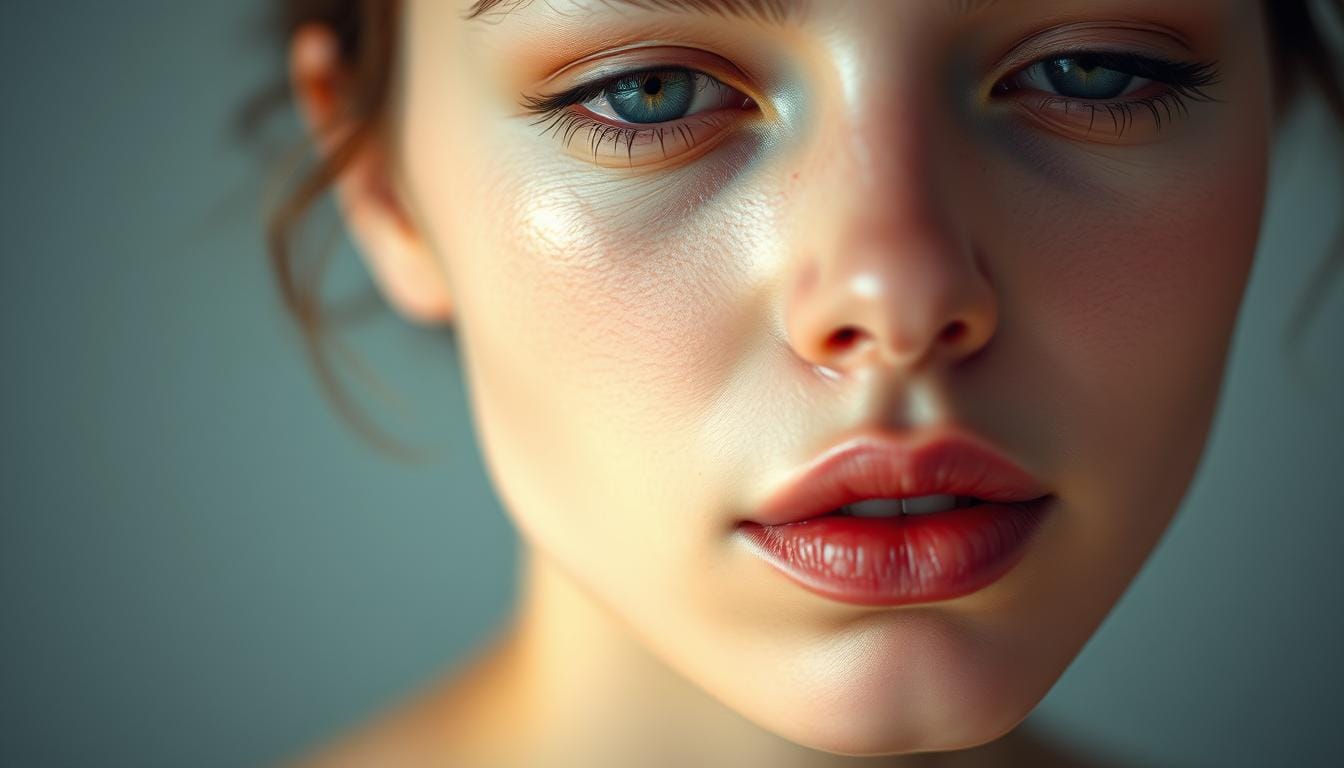
Glass skin returned for 2025 as a soft, lit-from-within finish that reads as healthy skin, not grease or glitter. This refined look anchors many narratives this year, from runway prep to daily routines.
Consumers are reshaping the industry with a push for clean and transparent products. In the United States the market is set to reach $104.7 billion in 2025, and retailers like Walmart now offer 900 items in a clean beauty shop to meet demand.
Runway artistry — precise, shimmer-free highlight and targeted skin prep from teams like Pat McGrath’s — moved backstage techniques into home routines. Social media then turned interest into purchases: nearly 60% of users buy after seeing a product, and TikTok drives even higher conversion.
This piece will map that path. You’ll get practical how-tos for eye color, hair and scarf hacks, nail accents, and the products that make skin the real star: essences, masks, and barrier serums. Expect lighter layers, smarter placement, and approachable rituals that deliver a controlled glow.
Key Takeaways
- Glass skin in 2025 means a controlled, healthy-looking glow, not heavy shine.
- Clean and transparent formulations are guiding large-scale product choice.
- Runway techniques from New York to Paris inform everyday prep and placement.
- Social platforms convert views into purchases and popularize hero products.
- Skincare first — essences, masks, and barrier serums create the best canvas.
- Complementary eye, hair, and nail details balance the overall look.
Glass Skin Goes Mainstream: From K-Beauty Ideal to 2025’s Softer, Lit-From-Within Glow
The glass skin ideal has softened into a more wearable, skin-forward radiance for daily life. Runway edits and lab advances now guide a restrained sheen that reads as health, not shine.
What it means in 2025: think targeted, shimmer-free highlights on cheekbones, nose bridge, brow bone, and Cupid’s bow. Makeup artist mapping keeps the finish precise so the face catches light without glitter or grease.
Skincare-first prep focuses on barrier support. Clean formulations and biotech ingredients such as Alguronic Acid and Activated Silk 33B bolster resilience and hydration while staying breathable. Essences and sheet masks drench and smooth before any color goes on.
Tools, textures, and placement
Use lightweight serums, sheer luminizers, and creams in thin layers. Gentle exfoliation evens texture; keep the T-zone matte and place balm-like dew only where light naturally hits. Models and everyday users alike benefit from minimal product and maximum blend.
“A controlled sheen beats an overt shine every time.”
- Essence → hydrates
- Serum → reinforces barrier
- Moisturizer/luminizer → builds glow
Eyes Take Center Stage: Watercolor Shadows and Otherworldly Lashes
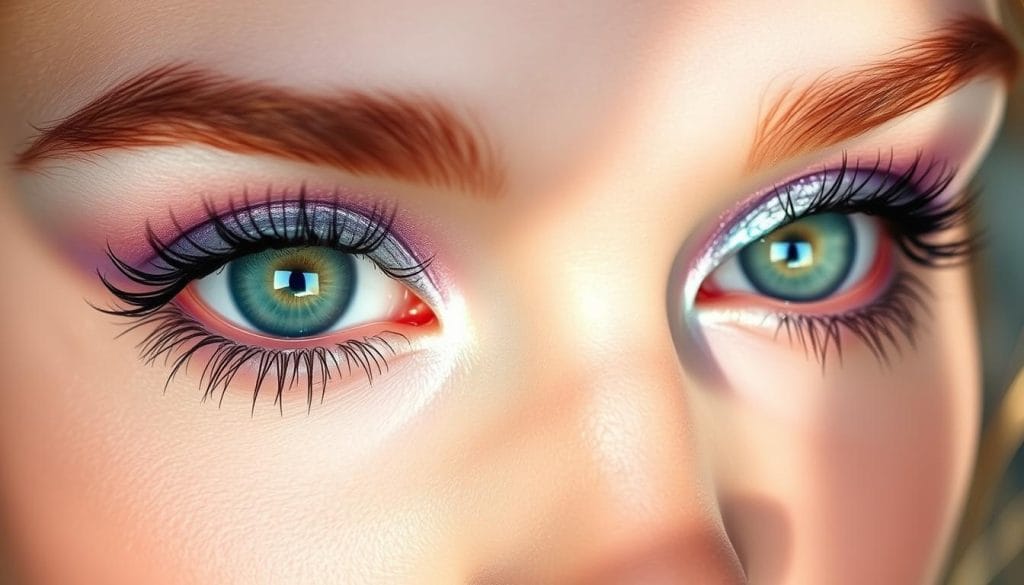
This season, the eyes become the showpiece with soft, watercolor washes and sculptural lashes that demand attention.
Watercolor lids mean single-shade washes in pastel pink, periwinkle, mossy green, cobalt, and orchid. NYFW moments—Collina Strada’s swept pinks, Maria McManus’s orchid, Private Policy’s periwinkle, and House of Aama’s mossy greens—favored airy, painterly application over heavy structure.
Lashes this season act as the magnet. Pat McGrath matched baby blue falsies at Anna Sui, Ulla Johnson used gold-dipped details, Harris Reed leaned feathered shapes, and Mossi extended doll-like length. These effects frame the eye and create a high-fashion focal point.
- Keep edges diffused and build color slowly to maintain a soft, wearable effect.
- Respect skincare: apply thin textures so pigment and lashes sit smoothly on hydrated skin.
- Placement guide: wash color across the lid, extend outward for lift, and brighten inner corners for a subtle pop.
For day, opt for tinted mascaras or sheered washes. Evening or editorial looks can use chromatic or bejeweled falsies. Balance is key—when lashes go bold, keep complexion and lips minimal so the eyes remain the focus for models and everyday wear alike.
Hair and Nails Make a Statement: Windswept Texture, Accessories, and 3D Embellishments
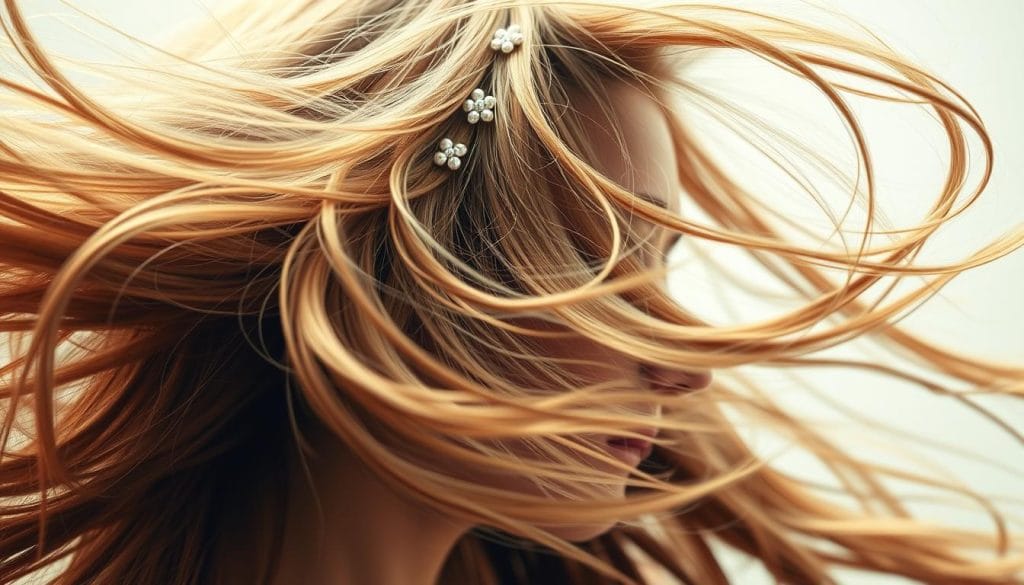
The season favored a slightly ruffled, lived-in hair finish that moved with the body and complemented luminous skin.
This windswept direction—seen at Valentino, Stella McCartney, Roberto Cavalli, Erdem, and Dior—keeps texture soft and natural. It frames the face without heavy styling and pairs well with minimal makeup artist mapping.
Scarf tuck and simple styling
Try the silk scarf tuck: fold a silk scarf, wrap hair at the nape, and knot once to secure lengths. Calvin Klein and Brandon Maxwell showed this as a fast, chic solution for busy mornings.
Use small tools only: a texture spray, a light-hold mist, and a soft brush. These keep movement intact and reduce the need for heat or heavy oils that weigh hair down.
Accessories and 3D nails
Accessories made way from New York runways to street style—kerchiefs, rhinestone barrettes, tiaras, and lace upgrades that feel easy and editorial. Collina Strada and Sandy Liang highlighted playful, wearable details.
- Runway nail looks: chunky gems at Grace Ling, brooch-like chrome at Kim Shui, and studded translucent tips at Christian Cowan.
- At-home nail tips: press-ons with studs, brush-on glue, and curated sets for a salon-level finish.
- Balance rule: pair statement nails with clean lines in outfit and makeup, or keep nails minimal when hair accessories take center stage.
“Simple tools and smart placement let runway techniques feel practical for daily wear.”
Avoid heavy scalp oils; keep hydration light so hair reads healthy, not weighed. Credit goes to the backstage teams—hair lead and makeup artist—who translate these looks from runways into repeatable routines.
The Future of Beauty Trends in the U.S.: Personalization, AI/AR Try-Ons, and Biotech Sustainability
From virtual swatches to fermented surfactants, the next phase of the industry makes choices smarter, not harder.
Personalized experiences are now expected. McKinsey finds 71% of consumers want tailored service, and retailer quizzes boost purchase intent by 58%.
AR try-ons and quizzes that guide purchases
Ulta, JCPenney, and Revieve use AR and quizzes to match shade and preview makeup looks. These tools let people try products virtually and order with more confidence.
AI skin analysis and at-home testing
Real-time AI scans from L’Oréal and Perfect Corp. assess hydration, texture, and aging. At-home kits from Pure Culture and microbiome testing by Dr. Elsa Jungman turn results into tailored skincare sets.
Data-driven haircare and clean biotech
Brands like Prose analyze lifestyle and climate to craft custom hair formulas that adapt over time. Biotech ingredients—Alguronic Acid and Activated Silk 33B—show how sustainable science can boost performance.
“Better fits reduce returns, improve satisfaction, and build loyalty.”
- Tools lower friction between discovery on social media and actual purchase.
- Fermentation partnerships (Unilever/Geno, L’Oréal) point to scalable palm-oil alternatives.
- Start small: take a retailer quiz, try an AR preview at Ulta, or book an AI skin scan to build a smarter routine.
Why this matters: these systems create a smoother user experience across the year and help the industry deliver targeted, higher-performing products.
Where Culture Meets Commerce: Social Media, Men’s Beauty, and Inclusion Drive the Industry
Social platforms now convert casual curiosity into immediate purchases, collapsing the path from discovery to checkout.
Social commerce and short-form content
UGC, ASMR clips, and creator demos build trust fast. Nearly 60% of users buy after seeing a product on platforms, and 89% of TikTok users report the same action on that platform.
Engagement on TikTok averages 7.52%, versus 1.87% on Instagram, so short-form media often leads discovery and conversion.
Men’s routines: simple sets, clear benefits
Demand for men’s care is rising. The market is projected near $110B by 2030 and 56% of men say they use more skin products than five years ago.
Brands like Atwater and Manscaped succeed with straightforward sets and vegan options that make buying easier.
Inclusion that sells
Ami Colé and Fenty show how wider shade ranges meet real demand and build loyalty. Diverse models and creators improve reach across media and lift performance metrics.
- Make content educational and transparent about ingredients.
- Use creators to test new shades and expand product lines based on feedback.
- Seed runway looks from New York (Collina Strada, Sandy Liang) into short clips to accelerate adoption.
“Social commerce is not a fad — it is a durable engine that shortens the path from attention to purchase.”
Conclusion
2025 closes on a curated, skin-forward moment. Glass skin stays refined: start with solid skincare prep and place products where light naturally hits.
Color and accents—watercolor eyes and statement lashes—add dimension while staying wearable for models and everyday users. Windswept hair and dimensional nails offer easy, editorial finishes you can do at home.
AI/AR quizzes and diagnostics keep discovery efficient and help people order the right items. Inclusive shade ranges from leading lines are non-negotiable this year.
Keep a simple cadence: maintain a core routine, add one trend-forward element at a time, and choose textures and shades that feel authentic. Expect continued innovation in personalization and biotech over the years.
FAQ
What does "glass skin" mean in 2025?
In 2025, glass skin refers to a soft, lit-from-within radiance that reads as healthy and hydrated rather than oily or glittery. Runway looks use strategic, shimmer-free highlights on cheekbones, nose, brow bone, and Cupid’s bow to create a smooth, reflective finish that preserves natural texture.
Which skincare steps are essential to achieve that dewy, runway-ready finish?
Start with barrier-supporting cleansers and lightweight essences, follow with targeted serums (hyaluronic acid, gentle peptides), and lock in moisture with a non-comedogenic moisturizer. Weekly masks and occasional biotech-boosted treatments help maintain clarity and plumpness.
What makeup techniques create a shimmer-free glow?
Use sheer, layered luminizers rather than glitter. Apply cream or fluid highlighters sparingly to high points and blend edges for a diffused effect. Map highlights deliberately—cheekbones, nose bridge, and brow arch—while keeping the skin-forward base lightweight and breathable.
Which tools and textures are recommended for the look?
Essences, lightweight primers, silk-textured moisturizers, and gel-cream luminizers work best. Use damp sponges or soft brushes to press products into skin for seamless finish; avoid heavy powders that flatten the glow.
What are the key color directions for eye makeup this season?
Pastel washes—think soft pinks, periwinkle, mossy greens, and cobalt—are popular, rendered like watercolor for a translucent, painterly effect. This approach appears across Collina Strada and Gabriela Hearst runways.
How are lashes being styled on runways now?
Lashes are maximalist and experimental: colored falsies (gold, baby blue, white), chromatic coatings, and doll-like silhouettes that emphasize shape. Pat McGrath-led looks often pair dramatic lashes with soft lids for high-impact contrast.
What artist tricks help the eyes look more sculpted without harsh lines?
Diffusing shadow edges, placing pigments to enhance natural eye shape, and combining chromatic lash accents with subtle lid washes create definition without graphic liner. Strategic placement frames the eye while keeping the overall look soft.
Which hair textures and styling details dominated recent runways?
Windswept texture and effortless movement are key, from Valentino to Dior. The scarf tuck—securing a silk scarf to add shape and polish—reappears as a quick way to elevate natural texture, used by brands like Calvin Klein and Brandon Maxwell.
What nail finishes are designers favoring?
Runways show dimensional nails with gems, brooch-like accents, chrome, and studs. Designers such as Grace Ling, Kim Shui, and Christian Cowan emphasize 3D embellishments that read as miniature accessories rather than just polish.
How is AR and AI changing shopping for skincare and makeup?
AR try-ons and quizzes available at Ulta and through platforms like Revieve let consumers preview shades and looks in real time. AI skin analysis offers microbiome insights and personalized product suggestions, improving shade matching and routine planning.
Are personalized haircare solutions becoming mainstream?
Yes. Brands offering Prose-style custom formulas that factor in lifestyle, environment, and hair diagnostics are growing. These services combine consumer data with lab blends to deliver tailored routines rather than one-size-fits-all products.
What sustainable ingredient innovations should shoppers watch for?
Clean biotech ingredients such as Alguronic Acid and activated silk derivatives are gaining traction. Major companies like L’Oréal and Unilever explore palm-free alternatives and lab-grown actives to reduce environmental impact while boosting efficacy.
How is social media influencing product discovery and sales?
Platforms like TikTok and Instagram drive social commerce through user-generated content, ASMR demos, and influencer-led tutorials. Short-form videos and authentic reviews turn engagement into immediate purchases more often than traditional ads.
What shifts are happening in men’s grooming and shade inclusivity?
Men’s routines are expanding beyond basics to include dedicated skincare sets, vegan formulations, and simplified regimens that suit diverse lifestyles. At the same time, brands such as Fenty and Ami Colé push fuller shade ranges and melanin-first approaches to ensure true inclusivity.


