
Why Slowing Down Might Be the Secret to Success
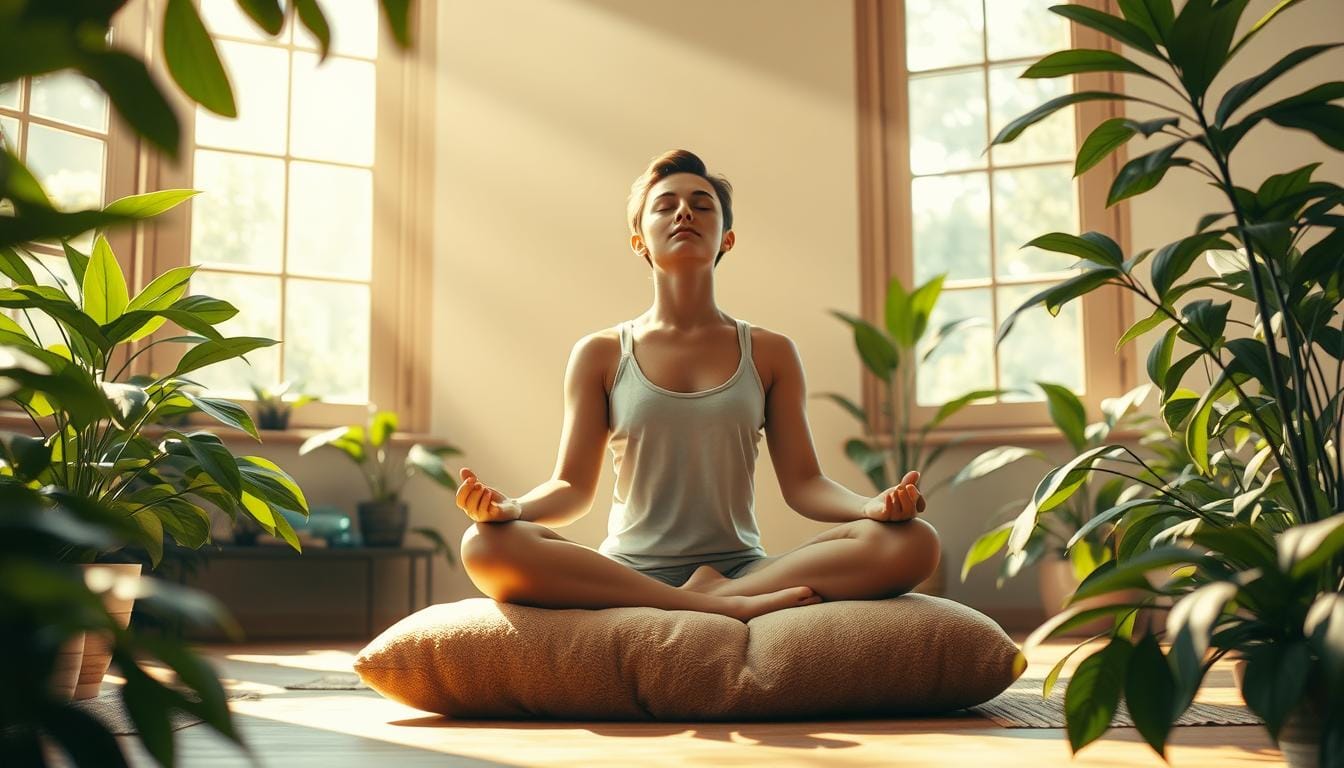
Slowing down is a skillful way to notice what is happening right now so your mind can focus on the task that matters most. This ability helps you stop chasing future scenarios or replaying the past, and it creates space for clearer decisions.
Think of formal meditation as training and short pauses as everyday application. With small practices during a walk, a meal, or between meetings, people can build steady attention and calm racing thoughts.
Bringing gentle awareness to the body and breath settles the nervous system. Over time, these brief moments improve focus, mood, and performance at work and in daily life.
This approach is practical for busy schedules: even a few minutes each day compounds into real benefits. Success here looks like responding rather than reacting and aligning actions with your values in a sustainable way.
Key Takeaways
- Slowing down trains your attention and improves decision-making.
- Short pauses and meditation complement each other for better focus.
- Body and breath cues help calm thoughts and the nervous system.
- Practice can fit into everyday life and needs only a few minutes.
- Small, consistent effort yields lasting benefits in work and life.
What Mindfulness Is—and Why Slowing Down Works
When you deliberately slow, you create room to observe what’s actually happening. This is the core of mindfulness: being fully present without judgment and noticing thoughts, feelings, and sensations as they arise.
Being fully present without judgment
Start in the body. Set your spine, relax your shoulders, and feel the weight of your seat or feet. Scanning from toes to head—like a short body scan meditation—reveals tension and anchors attention in the present moment.
The mind-body connection that calms anxiety
Attending to breath and sensation helps the nervous system downshift. With this downshift, the mind can notice thoughts without being swept away, lowering anxiety and supporting long-term health.
- Notice: name a thought or feeling without judgment.
- Return: bring attention back to breath or body.
- Repeat: practice in sitting, walking, or standing.
Getting Started: Posture, Breathing, and Returning Your Attention
Begin by finding a stable seat that lets your spine be upright and your mind feel supported. Sit on a chair, cushion, or bench with feet grounded or legs comfortably crossed.
Set your seat. Allow the spine’s natural curves, relax the shoulders, and drop the chin slightly. Rest hands on the thighs so upper arms stay parallel to the torso.

Use the breath as an anchor
Bring attention to breathing sensations—notice the rise and fall at the belly, chest, or nostrils. Stay close to raw sensations rather than the story your mind may tell.
“Begin again”: handling distractions
“When you drift, mark it gently and begin again.”
Expect planning or replaying to appear. When it does, return to the present moment without judgment about the content of thoughts.
- Start short: three to five minutes gives you a chance to build steady attention.
- Be friendly: this is training attention, not forcing it.
- Finish: notice how your body and mind feel so you are more likely to return tomorrow.
Mindfulness Techniques You Can Practice Today
Try one simple technique at a time and notice how it changes your attention and mood. Each method trains the brain differently, so rotate them to find what fits your day.
Body scan meditation to tune into sensations
Use a short body scan by slowly sweeping awareness from feet to head. Notice warmth, tightness, or ease. This reveals where stress sits and teaches nonreactive awareness.
Focused attention and resting awareness
Rest attention on the natural rhythm of breathing. Return gently each time the mind wanders. For resting awareness, let thoughts appear and pass without chasing them to ease anxiety.
Noting thoughts and feelings with curiosity
When distracted, label what you notice: “thinking,” “hearing,” or “feeling.” This creates space and helps you understand habit patterns without judgment.
Loving‑kindness, skillful compassion, and visualization
Repeat phrases like “May I be well; may you be safe” to build compassion. Bring a loved one to mind and feel warmth in the chest. Or try a calming image to steady attention when breath feels thin.
“Small, consistent practices add up to clearer focus, steadier mood, and real benefits at work and home.”
Tip: Pair any technique with one minute of gentle breathing before you begin. Keep sessions brief as you learn; this makes practicing mindfulness and meditation practice sustainable and part of daily life.
mindfulness in Daily Life: Bringing Attention to Everyday Moments
Bringing short moments of attention into routine actions makes the day feel clearer. A few small pauses reconnect you to the present and lower needless stress.
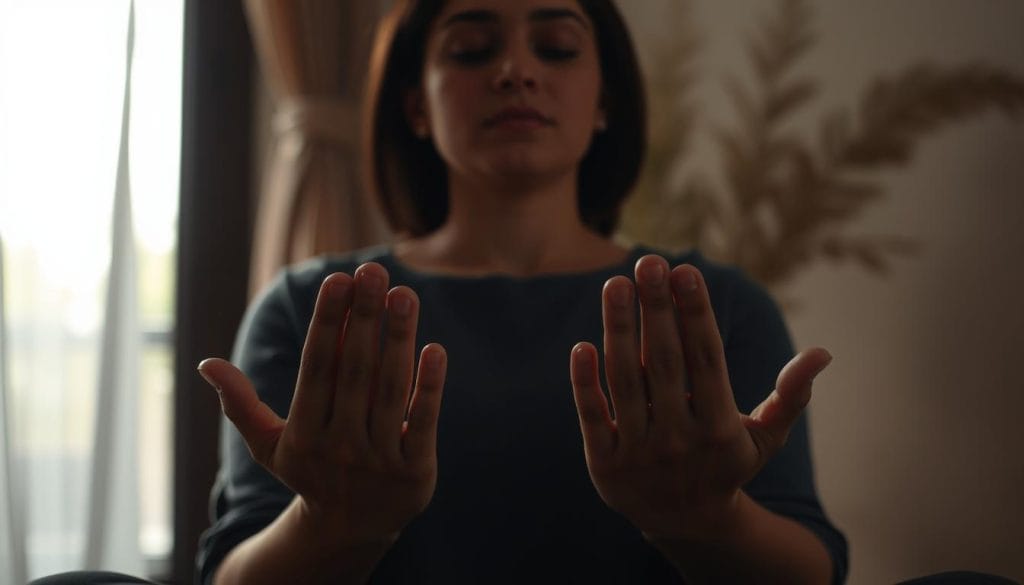
Short pauses during walking, eating, and conversations
Before you open your laptop or reply to a message, take three conscious breaths. This simple reset helps you return with steadier attention and less reactivity.
While walking, notice contact with the ground, arm swing, and the flow of air. Let passing thoughts drift and come back to movement.
At meals, slow the first bites. Notice aroma, texture, and taste. Checking hunger and fullness can reduce mindless snacking and improve choices.
Practicing at work, in sports, and during movement
Use micro-practices at work: a minute of breathing before a call sharpens focus and follow-through. Treat brief movement breaks—stretching or a short walk—as chances to reset the nervous system.
In sports or yoga, tune into alignment, breath, and effort. Focusing on the body and rhythm enhances performance and lowers injury risk.
- Quick tip: pause before reacting—sense your body, then reply.
- Everyday life as practice: chores and commutes are moments to return to the present.
- Make it accessible: even a little practice mindfulness each day is meaningful.
The Evidence-Based Benefits: From Stress Relief to Better Sleep
Scientific studies now link short attention practices with measurable gains in stress, sleep, and mood. Clinical trials and hospital programs report consistent effects across diverse groups.
Reducing anxiety and depression; preventing relapse
Research shows that structured mindfulness and meditation programs reduce symptoms of anxiety and depression. They strengthen present moment awareness and teach decentering—watching thoughts and feelings pass without fusion.
Result: lower relapse rates in some clinical samples, including perinatal care.
Blood pressure, pain coping, and quality of life
Evidence links these approaches to modest drops in blood pressure and improved pain coping. People with chronic conditions often report better emotional regulation and higher quality of life when mindfulness helps them alongside standard care.
How attention supports healthier habits and nutrition
Body awareness from a body scan or mindful eating improves satiety detection and reduces binge or emotional eating. In one eight-week hypertension program, participants chose healthier diets after the course.
- Sleep: many studies show improved sleep as stress and arousal fall.
- Habits: noticing positive outcomes after activity reinforces continued behavior.
- Compassion: practices enhance social connection and prosocial motivation.
“Decentering reduces rumination about the future and lessens the pull of negative content.”
Tip: Track one outcome—sleep, stress, or focus—to see how the practice changes your day.
Build a Sustainable Mindfulness Practice
A short daily habit can anchor attention and quietly change how you respond to stress. Start with one reliable practice and expand from there.
Start small: five-minute breathing meditation
Begin with five minutes each day. Sit comfortably, feel the breath in the body, and return attention when it wanders.
Five minutes reduces stress and sharpens concentration. If time is tight, two minutes is better than skipping.
Choosing an app or a teacher you can trust
Pick an evidence-based app or course—look for programs from medical schools or universities.
If an app doesn’t fit, find a qualified teacher who can guide posture, attention, and mindset. Skilled guidance often speeds progress.
Common hurdles: judgment, time, and expectations
Expect judgment and self-criticism. When the thought “I’m bad at this” appears, label it gently and return to breathing.
Schedule practice at the same time each day. Pair it with an existing habit, like morning coffee, to create reliable space.
- Tips: set a phone reminder, prepare a quiet seat, and keep a simple log to track ability to show up.
- Adjust posture—lengthen the spine and relax shoulders—so the body supports alertness.
- Over weeks, add one or two techniques (body scan or loving-kindness) to broaden your toolkit.
“Daily, short practices compound into clearer focus and steadier mood.”
Conclusion
Slowing your pace lets everyday choices become clearer and more intentional. Using brief practices—five minutes of breathing or a quick body check-in—makes the present moment a steady base rather than a rare visit.
This approach shows up in life as calmer reactions, kinder words to others, and clearer decisions about the future. Evidence links these habits to better sleep, lower blood pressure, and steadier mood.
Be steady and kind: keep discipline gentle so practice stays simple, not another task on your list. Pick a time tomorrow, choose a short meditation or breathing anchor, and begin. Day by day, attention reshapes how you live, work, and relate to people and yourself.
FAQ
What does "slowing down" mean for productivity and success?
Slowing down means deliberately reducing rush and multitasking to focus on one task at a time. This approach improves attention, lowers stress, and often boosts decision quality. People who pause to reflect and prioritize report better time use and clearer goals, which supports long-term success.
What is being fully present without judgment?
Being fully present means paying attention to the current moment—your breath, body, or task—without criticizing yourself. It creates a neutral mental space where observations are made without labeling them good or bad. That stance helps reduce reactivity and supports clearer choices.
How does the mind-body connection calm anxiety?
The mind and body are linked: slow, steady breathing and relaxed posture send signals that lower heart rate and stress hormones. Paying attention to bodily sensations can interrupt anxious thought cycles and restore a sense of safety, making feelings easier to manage.
How should I sit for a short practice?
Choose a stable seat—chair or cushion—with a straight but relaxed spine. Ground your feet or sit bones, soften the shoulders, and align head over pelvis. This posture supports steady breathing and reduces physical distractions during the practice.
How can I use the breath as an anchor?
Focus on the inhale and exhale, noticing sensations at the nostrils or the rise and fall of the chest or belly. When the mind wanders, gently return attention to the breath. Using a simple count—like inhaling for four, exhaling for four—can help stabilize attention.
What does "begin again" mean when distracted?
“Begin again” is a gentle cue to notice distraction without judgment and return attention to your chosen anchor, such as breath or body. Repeating this process trains concentration and reduces frustration about wandering thoughts.
What is a body scan meditation and how long should it take?
A body scan involves moving attention slowly through parts of the body to notice sensations. Short scans can be five minutes; fuller scans take 20–30 minutes. The goal is open awareness of sensations, not changing them, which enhances bodily clarity and relaxation.
How do focused attention and resting awareness differ?
Focused attention zeroes in on a single object—breath or sound—while resting awareness allows a broad, open noticing of whatever arises. Both build mental flexibility: focused practice sharpens concentration, and resting awareness increases spaciousness and insight.
What is "noting" thoughts and feelings with curiosity?
Noting is mentally labeling experiences (e.g., “thinking,” “planning,” “sadness”) as they arise, then returning to your anchor. This creates distance from strong emotions and reduces fusion with thoughts, making reactions more skillful.
How does loving-kindness practice help relationships?
Loving-kindness cultivates goodwill toward yourself and others through repeating wishes like “may you be safe.” Regular practice increases compassion, reduces hostility, and improves empathy, which strengthens social bonds and communication.
Can visualization and reflection prompts support habit change?
Yes. Visualization helps rehearse desired behaviors and anticipate obstacles. Reflection prompts clarify values and small steps. Together they make intentions concrete and increase follow-through on healthy routines like sleep and nutrition.
How can I bring attention into daily activities like walking or eating?
Short pauses are effective: take three mindful breaths before a meal, notice textures and tastes while eating, or feel each step during a walk. These micro-practices anchor you in the present and improve enjoyment, digestion, and focus.
How do I practice attention at work or during exercise?
At work, set a timer for focused intervals and take brief sensory breaks. During sports or movement, notice bodily sensations, balance, and rhythm rather than judging performance. This fosters flow and reduces performance anxiety.
What evidence supports stress relief and better sleep?
Multiple clinical trials show reduced anxiety and depressive symptoms following regular practice. People report improved sleep quality and reduced insomnia when adopting short, consistent routines that calm the nervous system before bed.
How does this approach affect blood pressure and pain coping?
Slow breathing and focused awareness activate the parasympathetic nervous system, which can lower blood pressure and reduce perceived pain intensity. Integrating attention practices into treatment plans often enhances quality of life.
Can paying attention improve eating and exercise habits?
Yes. Attending to hunger cues, flavors, and fullness reduces overeating. During exercise, present-moment focus improves form and consistency. Over time these practices support healthier choices and better nutrition.
How long should I start practicing each day?
Begin with five minutes of breathing or a short scan daily. Consistency matters more than duration. Gradually increase to 10–20 minutes as comfort grows. Short, regular sessions produce measurable benefits.
How do I choose a trusted app or teacher?
Look for reputable programs like Headspace or insight timer for guided options and teachers with clinical or meditation training credentials. Read reviews, sample free content, and pick a guide whose voice and approach feel credible and sustainable.
What common hurdles should I expect and how do I handle them?
Expect judgment of your practice, lack of time, and high expectations. Respond by shortening sessions, noting self-criticism without drama, and treating practice as a skill-building process. Small, forgiving steps build resilience.


