
The Real Story Behind Celebrity Wellness Retreats
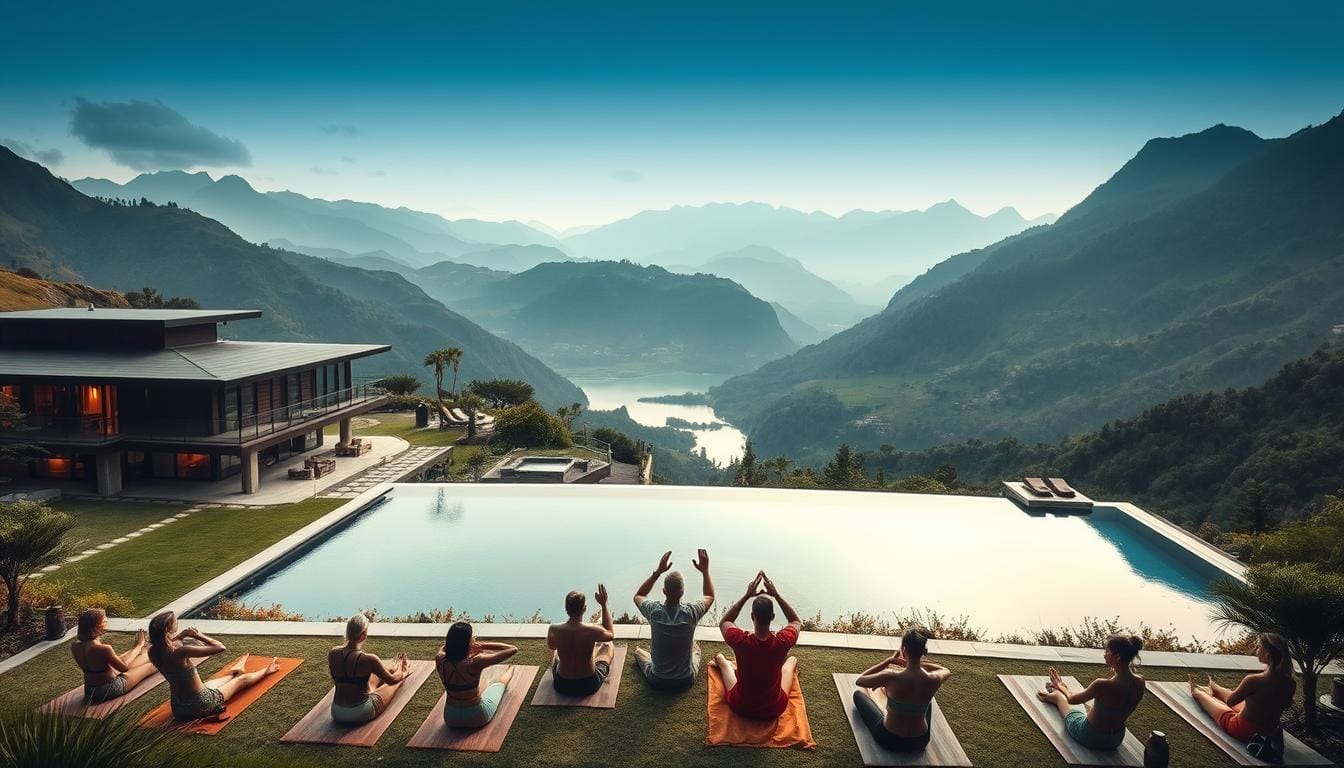
The real story traced how the celebrity lifestyle once blended private wellness rituals with travel. Stars balanced demanding film schedules and public careers with quiet, restorative time at home and on the road.
The piece mapped choices across New York, Beverly Hills, London, and coastal escapes. We described spa-like home sanctuaries, discreet penthouses, and secluded bungalows that supported long-term brand strategy.
Retreat-like features were more than trends: they meant quiet design, controlled access, and restorative amenities. Those choices helped a star protect family life, sustain a film career, and extend public appeal.
This introduction previews specific examples and cost, access, and privacy realities. Readers will see how curated light, materials, and routines mattered as much as location for sustained performance in media.
Key Takeaways
- Wellness was integrated into long-term brand planning, not a passing fad.
- Home sanctuaries and far-flung retreats served different privacy needs.
- New York and Beverly Hills offered distinct options for discretion and design.
- Quiet design and controlled access defined true retreat value.
- Choices supported career longevity and balanced life demands.
Where Stars Really Recharge: A List of Wellness Retreats and Retreat-Like Hideaways They Favor
Wellness for public people often meant a tunable place—house, hotel, or bungalow—that met privacy and routine needs. These choices show how space supports recovery and focus in everyday life.
Spa-like home sanctuaries in Los Angeles and Beverly Hills
Spa-style houses in Los Angeles and Beverly Hills turned daily rituals into reset routines. Quiet zones, hydro features, and soft materials helped a home feel like a repeatable spa.
Coastal hideaways with private bungalows
Private bungalows offered independent entries and natural buffers. A hidden retreat used for Selena Gomez’s wedding guests had about 90 bungalows, with rates from roughly $900 to $5,000+ a night.
Discreet city hotels and royal-adjacent estates
In New York, a reported $22,000-a-night penthouse compressed a wellness reset into one curated stay. In London, The Stafford’s low-key profile kept arrivals quiet and protected privacy.
- Garden therapy: Montecito and Kansas City estates used landscape to shape mood.
- Creative workspaces: Offices designed like home preserved energy for founders and teams.
- Practical privacy: Properties and estates prioritized sightlines, acoustics, and discrete entries.
How wellness retreats fit the celebrity lifestyle
Over years, professionals in the public eye treated retreats as part of a working routine. These stays and at-home sanctuaries helped sustain energy, protect brand value, and keep family rhythms steady.

Career stamina for actors and film stars
For an actor juggling long shoots and press cycles, short retreats provided structured downtime. Training blocks, yoga, and mental fitness paired with rest weeks to preserve long-term health.
Between premieres and tours, calm environments reset sleep and reduced inflammation. That made rest a deliberate part of career output rather than a luxury.
Protecting the brand and business
Founders and creative leaders used curated suites and quiet home offices to run strategy sessions with low distraction. Those spaces blended meetings with restorative rituals.
Private chefs, on-site practitioners, and focused work sprints let a founder make decisions when attention and energy were highest.
Family time, friends, and privacy
Estates balanced kid-friendly areas for children with recovery rooms for adults. That allowed meaningful family time without sacrificing downtime.
- Family-first layouts: quiet bedrooms, courtyards, and play zones.
- Curated social circles: tight gatherings of trusted friends to protect privacy.
- Practical care: nutrition protocols and on-call practitioners to minimize travel stress.
Behind the velvet rope: privacy, access, and what it really costs
True discretion often costs more than a room; it buys a web of people, routes, and rules that keep a star’s night genuinely private.

From invite-only suites to staff NDAs: how celebrities kept nights and weekends truly off-grid
Off-grid privacy relied on layered access control. Invite-only suites and private floors reduced sightlines. Staff NDAs and dedicated teams prevented leaks and limited exposure.
In New York, properties like Fouquet’s offered private elevators and a reported $22,000-a-night penthouse to combine service depth with guarded entry. In London, The Stafford’s royal history and secret passages let a guest move quietly between venues.
Some high-net-worth figures extended privacy to sea. Vessels such as Koru show the upper bound of cost and control, where a mobile estate manages access and acoustics at extreme expense.
- Home and estate upgrades: perimeter landscaping, acoustic insulation, and separate service paths.
- Operational tactics: staggered arrivals, advance scouting, and rotating venues from Kansas City to coastal enclaves.
- Event privacy: houses set up separate parking and service routes for intimate family or marriage gatherings.
Over the years, these mechanisms let celebrities preserve a more normal home life and ensure rest windows matched the demands of film schedules, public nights, and family time.
Conclusion
From penthouses to coastal bungalows, rest was organized to match the tempo of a public career. Spaces were chosen to let a celebrity reset between intense days and protect long-term work and life.
Whether a city home, a staffed property by the sea, or a private suite for one night, the best setups balanced access control, restorative design, and service depth. That mix let celebrities, an actor, or a founder recover without losing family time or focus.
Over the years, retreat planning became a living system tuned to career phases, marriage moments, and children’s needs. The clear thread was intention: design and routine kept energy steady long after a movie or tour ended.
FAQ
What types of wellness retreats do well-known actors and founders prefer?
Many high-profile figures choose a mix of spa-like home sanctuaries in Los Angeles and Beverly Hills, coastal hideaways with private bungalows, discreet city hotels in New York with penthouses, and heritage properties in London. They value privacy, bespoke treatments, and spaces that double as creative work zones.
How do spa-like home sanctuaries in Los Angeles and Beverly Hills function as retreats?
These properties are often retrofitted with treatment rooms, infrared saunas, cryotherapy chambers, and meditation gardens. They allow stars to maintain routines without public exposure and support recovery between film shoots, red-carpet events, and business commitments.
Are coastal hideaways really that expensive, and what do guests get for 0–,000+ a night?
Yes. Rates in that range typically include private beachfront access, dedicated staff, in-room spa services, chef-prepared menus, and tailored wellness programs. Guests also pay for exclusivity and enhanced security measures.
Why do some industry figures choose discreet city hotels in New York over secluded estates?
City hotels offer immediate access to studios, meetings, and premieres while providing penthouse-level privacy and curated amenities. They save travel time, keep logistics simple, and often book entire floors to ensure discretion.
What makes certain London properties “royal-adjacent” and low-key?
Heritage estates and townhouse hotels near royal quarters combine historical architecture with rigorous privacy controls. Their staff are trained for discretion, and the properties often have private gardens, gated entrances, and bespoke service that avoids public attention.
How do Montecito and Kansas City estates serve as garden therapy escapes?
Both locations offer large grounds for horticulture, outdoor rooms, and contemplative landscapes. Montecito emphasizes Mediterranean plantings and ocean views; Kansas City estates focus on expansive lawns, mature trees, and private orchards that support mindfulness and family life.
What design elements create a calming, creative workspace at home?
Natural light, neutral palettes, acoustic treatments, flexible seating, and dedicated zones for writing, meetings, and rest help maintain balance. Incorporating art, plants, and quiet nooks lets actors and founders switch between creative work and restoration.
How do retreats support career stamina for actors and film stars?
Retreats provide targeted recovery—sleep optimization, physiotherapy, movement sessions, and mental health care. These services speed recuperation between shoots, reduce burn-out risk, and help performers sustain demanding schedules.
In what ways do curated wellness spaces protect a personal or professional brand?
Curated spaces control the narrative by aligning environment with a public image—healthy living, mindfulness, or high performance. They also host vetted collaborators and press-free launches, preserving brand integrity for entrepreneurs and founders.
How are estates adapted for family time while maintaining celebrity-level privacy?
Many properties include separate guest wings, nanny suites, private play areas, and soundproof family rooms. Staff follow strict confidentiality protocols and layouts often separate leisure zones from secure entrances to keep daily life private.
What privacy measures commonly keep nights and weekends off-grid?
Measures include private entrances, secure perimeters, dedicated security teams, staff NDAs, closed-circuit monitoring, and invitation-only bookings. Some venues also use discrete transport arrangements and white-glove check-ins to avoid public exposure.
Can founders and entrepreneurs integrate business activities into retreat stays?
Yes. Many retreats offer private meeting suites, high-speed connectivity, and bespoke catering so executives can run intimate strategy sessions or product launches while preserving a wellness-focused environment.


