
Secrets Dermatologists Don’t Tell You About Anti-Aging

Your skin is more than appearance. It is the body’s largest organ and a working shield that renews itself daily. Understanding how it repairs and protects helps you make smart, health-first choices for the face and whole body.
Dermatologist Shilpi Khetarpal, MD, stresses one clear rule: daily sunscreen with SPF 30+ and reapplication every two hours. UVA rays pass through clouds and glass, so protection matters even indoors. Small habits now cut avoidable photoaging and lower future skin cancer risk.
Simple, consistent care beats complicated routines. Use antioxidants such as vitamin C in the morning, retinoids at night, and avoid habits that harm healing, like smoking or popping pimples. Choose fragrance-free products to reduce irritation and focus on repeatable steps that work.
Key Takeaways
- Daily SPF 30+ and reapply every two hours for true protection.
- Treat skin as a health priority: prevent photoaging and reduce cancer risk.
- Use morning antioxidants (vitamin C/E) and nighttime retinoids for best results.
- Avoid smoking and picking at blemishes to speed healing and limit scars.
- Pick fragrance-free formulas and use small, consistent routines.
- Follow dermatologist-led tips rather than trends for reliable outcomes.
Understanding Your Skin Today: Why Anti-Aging Starts Now
Your skin works nonstop as a living shield that renews itself every single day.
It sheds about 40,000 cells daily, regulates temperature, and keeps out microbes and pollutants. That constant turnover is why simple, consistent care matters more than complicated routines.
Your skin as a protective barrier and why it sheds daily
Shedding helps remove damaged cells and keeps the surface fresh. Gentle cleansing once or twice a day with lukewarm water preserves essential lipids and supports barrier repair.
What “healthy skin” means in the present day
Healthy skin looks calm, comfortably hydrated, and even in tone and texture. Seal moisture within minutes after washing to boost water retention and barrier function.
- Use a mild cleanser with few ingredients to avoid stripping natural oils.
- Add a basic antioxidant serum in the morning to bolster daily protection against pollutants.
- Wear SPF every day: UVA passes through clouds and windows, so sun protection is mandatory.
Dermatologist-backed skincare secrets
Reliable dermatology advice favors steady habits over viral hacks promising instant change. Clinical recommendations focus on mechanisms, safety, and repeatable benefit. That is what makes a tip truly dermatologist-approved.
What makes a tip “dermatologist-approved”
Dermatologist-approved guidance rests on clinical evidence, a clear mechanism of action, and an acceptable risk profile. Ask whether a study supports the claim and if the outcome is meaningful for long-term skin health.
Separating social media noise from evidence
Trends often promise fast results without lasting benefit. Contrast those with core, proven pillars: broad-spectrum SPF 30+, morning antioxidants like vitamin C, a retinoid at night, and a moisturizer matched to your needs.
Adapalene and other retinoids normalize cell turnover, help keep pores clear, and improve texture. Benzoyl peroxide cuts acne bacteria; moisturizers within three minutes after showering lock in hydration.
- Choose short ingredient lists and fragrance-free formulas.
- Prefer actives at known, effective concentrations.
- Keep routines simple so you’ll use them daily.
Vet claims by asking: what study supports it, is the mechanism plausible, and are risks acceptable? Dermatologist oversight reduces trial-and-error and helps avoid treatments that inflame or sensitize skin needlessly.
The non‑negotiable step: Daily sunscreen and real sun protection
Daily sun protection is the single most reliable step to slow visible aging and lower cancer risk. Apply at least SPF 30 every morning and treat this as a health habit, not an optional cosmetic step.
SPF 30+, the shot‑glass rule, and reapplying every two hours
Use a full shot‑glass amount (about 1 ounce) to cover the face, neck, and exposed areas. Reapply every two hours when you are outdoors or after sweating.
One application at dawn isn’t enough; sunscreens wear off. Consistent reapplication keeps the stated protection level working in real life.
UVA through windows, cloudy days, and why protection is every day
UVA rays pass through clouds and glass and cause steady photoaging. That means even indoor sun exposure can add up over months and years.
Wearing sunscreen every day protects your face, hands, and neck—the areas that show aging first.
Physical vs chemical sunscreens and UPF clothing
Physical sunscreens (zinc oxide, titanium dioxide) reflect light and suit sensitive skin. Chemical filters absorb UV and often feel lighter for daily wear.
- Check expiration dates—expired formulas lose effectiveness.
- Use UPF clothing, wide‑brim hats, and shade for extra coverage during long sun exposure.
Layering tip: If your moisturizer has SPF, apply a dedicated sunscreen on top for dependable coverage, or choose a broad‑spectrum product that you’ll actually use every morning. Pick textures and finishes that match your routine so protection becomes effortless.
Self-checks that save skin: Monthly skin cancer scans
A quick head-to-toe check once a month helps catch troubling spots before they grow. Make this a fixed time each month and use good light and a hand mirror to see the scalp, palms, soles, and under nails.
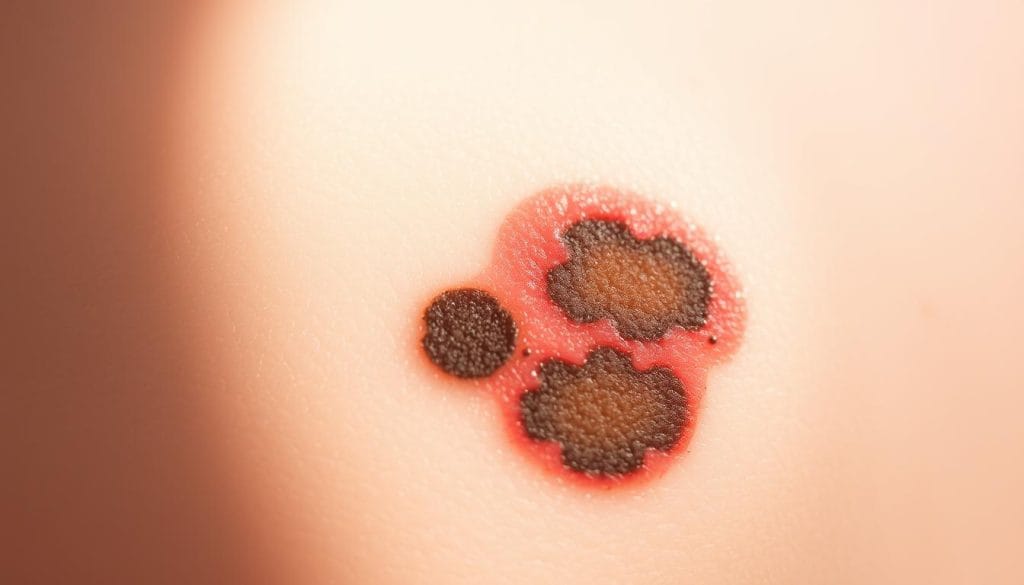
ABCDE warning signs to catch evolving lesions early
Use the ABCDE checklist in plain terms: look for Asymmetry, odd Borders, multiple Colors, a Diameter over 6 mm, or anything Evolving. Any spot that itches, bleeds, or grows should prompt evaluation.
Why most sun damage starts in youth and what to do now
About 60% of lifetime sun exposure happens before age 18, so habits formed early matter. Daily sun protection reduces cumulative exposure and lowers future skin cancer risk.
- Monthly steps: scan the face, scalp (use a comb), torso, limbs, palms, soles, and under nails.
- Document changes: photograph suspicious spots and compare month to month.
- When to see a dermatologist: any new mole after age 30, or any lesion that itches, bleeds, or is growing.
Early detection improves treatment outcomes. Suspicious lesions usually require clinical assessment and may need a biopsy for diagnosis and timely treatment.
Moisturize like a pro: Locking in water for healthy skin
Locking in hydration after a shower is one of the simplest ways to keep skin plump and less lined. As oil glands slow with age, the surface loses water faster. Quick, consistent steps protect the barrier and improve texture.
The three‑minute rule after showering to seal moisture
Apply your moisturizer within three minutes of cleansing to trap water on the surface. That sealed water plumps cells, so skin looks more like a grape than a raisin.
Choosing the right moisturizer for dry vs oily skin
Pick creamier textures for dry skin and lighter gels or lotions for oily skin to avoid clogging pores. Layer a hydrating serum under a moisturizer when you want extra water without heaviness.
Hyaluronic acid, ceramides, and repairing the moisture barrier
Look for hyaluronic acid to attract water and ceramides to rebuild lipids. Favor minimal, fragrance‑free ingredients that support the barrier. Some oils sit on top without repairing; prefer proven occlusives and barrier‑supportive actives.
- Night tip: seal in hydration nightly to wake with smoother texture.
- Ingredient note: choose a simple routine—serum, then moisturizer—for reliable results.
Build a gentle cleansing routine that respects your skin
A proper cleanse preserves the barrier and helps active treatments work better. Start with simple choices: minimal ingredients, no fragrance, and textures that suit your skin. Gentle care reduces irritation and keeps the surface ready for serums and treatments.
Picking the right cleanser to avoid over‑stripping
Match the cleanser to your type. Use a gel or foaming cleanser if you have oily skin; choose a creamy or milky cleanser for dry or sensitive skin. Short ingredient lists cut the risk of irritation and barrier damage.
Cleansing steps for morning and night without damaging the barrier
Morning can be a quick refresh with lukewarm water or a gentle wash when needed. At night, cleanse fully to remove sunscreen and makeup so treatments absorb evenly.
- Frequency: once to twice daily—more often can dehydrate and sensitize.
- Avoid: hot water and harsh acid-heavy cleansers that strip lipids and trigger redness.
- Test: patch-test new products and pick textures that leave the face comfortable, not tight.
Why night cleansing matters: Removing buildup at night improves how retinoids and other actives perform and lowers the chance of irritation from layered products.
Antioxidants that work: Vitamin C, Vitamin E, and pollution defense
Morning antioxidant use is a practical defense against pollution and sun-driven oxidative harm. Daily exposure to organic compounds, heavy metals, ozone-related components, and gaseous pollutants generates free radicals that weaken the barrier and cause dullness and fine lines.
How antioxidants reduce oxidative damage and dullness
Antioxidants like vitamin C and vitamin E neutralize free radicals before they damage lipids and DNA. That lowers oxidative damage that leads to uneven tone and early lines.
Choose stable forms: L-ascorbic acid at 10–20% or more stable derivatives for sensitive skin. Pair with vitamin E and ferulic acid to boost potency and comfort.
Layering serums under sunscreen for daytime protection
Apply in this order: cleanser, antioxidant serum, moisturizer, then sunscreen. That routine gives the face a layered defense against UV and pollutants.
- Why morning: it prevents damage from daytime sun and airborne pollutants.
- Pollutants to watch: organic compounds, heavy metals, ozone-related components, and traffic exhaust.
- Use consistently: dermatologists favor steady daily care over sporadic application for visible brightening over weeks.
Acne and aging: Smarter treatment without harming your skin
Acne and aging often overlap, but treating both requires precision rather than punishment. Acne is mostly genetic or hormonal, not a hygiene failure. That means targeted treatment works better than harsher cleansing.

Benzoyl peroxide to target bacteria and inflammation
Benzoyl peroxide kills acne-causing bacteria and reduces inflammation on the face. Use it as a focused spot or thin layer where lesions form.
Start with lower concentrations to limit redness, and pair with a gentle moisturizer to preserve the barrier.
Adapalene and retinoids for pore function and texture
Adapalene normalizes cell turnover, keeps pores clear, and helps smooth fine lines—so it supports both acne and aging goals.
Apply retinoids at night and increase use slowly to avoid irritation. Combine with hydrating ingredients to maintain comfort.
Why over‑washing backfires
Over-washing strips oils, causes dryness, and can worsen inflammation and oil rebound. Cleanse gently once or twice daily and avoid abrasive scrubs.
- Reframe treatment: target bacteria and pore function, don’t punish with frequent stripping.
- Layer at night: gentle cleanse → adapalene → moisturizer to protect the barrier.
- Oil control: use noncomedogenic products and avoid aggressive drying agents that backfire.
Dermatologist-supported strategies balance efficacy and tolerability. Start slowly, document progress, and consult a professional if lesions persist or scar risk is high.
The truth about pimple popping and minimizing scars
Picking at a pimple can feel satisfying, but it often causes more harm than help. Dermatologists warn that squeezing can push bacteria and oil deeper into the skin and increase inflammation, infection, and lasting damage.
Why hands-off is the default
Hands-off protects the barrier. Squeezing risks scar formation and post-inflammatory dark spots. Repeated trauma changes texture and raises the chance of permanent marks.
When a whitehead may be expressed safely
If a whitehead is fully surfaced and releases with one or two very gentle tries, it may be acceptable. Wrap fingers in clean tissues, press lightly, and stop immediately if it resists.
- Leave anything that takes multiple attempts—more tries mean higher scar risk.
- Use benzoyl peroxide spot care and non-comedogenic routines instead of forcing extraction.
- Aftercare: cleanse gently, apply a soothing fragrance-free product, and avoid further picking.
When to see a professional
Seek a dermatologist or esthetician for stubborn, deep, or cystic lesions. Professional extraction and medical treatments minimize trauma and protect long-term skin health. Patience with proper treatments preserves tone and texture far better than quick fixes.
Fragrance-free formulas: Small switch, big difference
Fragrance in everyday products can quietly undo the benefits of a thoughtful face routine.
Why it matters: scent additives draw moisture from the skin, raise allergy risk, and increase irritation. Even laundry detergents and dryer sheets can leave residues that touch your pillow or makeup and trigger sensitivity.
Hidden fragrance sources that sabotage moisture
Scan ingredient lists for “fragrance” or essential oils. These appear in moisturizers, cleansers, and even some makeup. For those with dry skin, scented formulas can counteract hydration and worsen flaking.
Use tests to avoid irritation on sensitive areas
Perform a 24-hour use test on a small patch at the jawline or neck before applying a new product to the face. Stop if you see redness, itching, or tightness.
- Choose minimal-ingredients, fragrance-free products for cleanser, moisturizer, and makeup.
- Replace scented laundry items with unscented options to reduce transfer to linens.
- Fragrance-free choices often improve tolerance of acid and other active treatments.
Small change, big payoff: switching to non-fragrant formulas can boost comfort, protect the skin natural barrier, and make your routine more consistent. Track hydration and irritation over a few weeks to see the benefit.
Scalp and face oils: What to avoid and what actually helps
What looks like instant hydration from oils can actually worsen inflammation for sensitive scalps and facial areas.
Why oils can aggravate the scalp and skin
Applying oil directly to the scalp often traps dead skin and yeast, which can make dandruff, acne, and rosacea worse. Oils sit on the surface rather than repairing the barrier, so they can increase clogged pores and irritation.
Safer ways to nourish hair without inflaming skin
Apply oil only to mid-lengths and ends, not the scalp. Choose fragrance-free products to lower irritation risk.
Face care tips
For the face, favor lightweight, non-comedogenic serums and barrier-supportive moisturizers instead of heavy oils. A dermatologist will tell you that less occlusive buildup means fewer breakouts and better texture.
- Patch-test new items on the jawline to avoid flares.
- Use oils sparingly and target hair ends for shine, not the scalp.
- Pick fragrance-free formulations and proven moisturizers for lasting barrier support.
Strategic placement gives hair shine without inflaming the skin and keeps routines simple and effective—one of the most practical skincare secrets to protect both scalp and face.
Lifestyle matters: Habits that age your skin faster
Small daily behaviors add up and determine how resilient your skin stays over time.
How smoking accelerates wrinkles and delays healing
Smoking restricts blood flow through vasoconstriction. Less circulation means fewer nutrients reach the face and slower repair after injury.
That cellular stress speeds wrinkle formation and deepens lines. Quitting improves healing and reduces long‑term damage.
Hydration, makeup hygiene, and everyday protection tips
Keep small, repeatable habits to support health and appearance. Drink water, prioritize sleep, and wear SPF each day to keep skin resilient.
- Makeup hygiene: wash brushes weekly and replace old products to cut bacteria and reduce breakouts.
- Use a simple morning routine and a brief evening wind‑down to save time while covering key care steps.
- Minimize exposure to fragrance‑heavy items and other irritants that undermine barrier repair.
These choices stack over weeks and months. Pair lifestyle changes with periodic professional check‑ins to protect long‑term health and visible results. Learning small habits is one of the most practical skincare secrets you can adopt.
Your morning and night routine, step by step
Consistent steps morning and night make anti‑aging and acne care manageable and effective. Below is a compact plan you can follow daily and adjust by tolerance.
Morning: cleanser, antioxidant serum, moisturizer, SPF
Begin with a gentle cleanser if needed to remove sweat or oil. Pat skin dry and apply an antioxidant serum like vitamin C or E.
Layer a lightweight moisturizer to seal in water, then finish with a broad‑spectrum SPF 30+ sunscreen. Reapply every two hours when outdoors.
Night: gentle cleansing, treatment, targeted serum, moisturizer
Cleanse thoroughly but gently to remove sunscreen and makeup. Apply your treatment—adapalene or another retinoid—to support clear pores and texture.
Follow with a targeted serum if needed, then a nourishing moisturizer. On damp skin, add a thin layer of hyaluronic acid to boost moisture without heaviness.
Weekly add‑ons: spot treatments without over‑irritation
Use acne spot products sparingly—limit to precise areas and only a few nights weekly. Space acids and retinoids so you don’t stack multiple acid steps at once.
- Tip: pick textures you will use daily—comfortable products improve adherence.
- Adjust: increase frequency slowly based on tolerance and results.
Conclusion
Simple daily practices are the most reliable way to keep skin strong and resilient. Focus on protection, consistency, and barrier respect rather than gimmicks.
Follow a practical routine every day: cleanse gently, apply an antioxidant in the morning, use SPF 30+ with reapplication, treat at night, and seal with moisturizer within minutes of bathing.
Do monthly self‑scans using the ABCDE checklist to catch changes early and lower skin cancer risk. Prefer fragrance‑free, minimal‑ingredient formulas to reduce irritation and improve tolerance.
Introduce targeted treatments slowly and adjust based on response. These dermatologist‑led skincare secrets and tips add up: steady habits bring smoother texture, an even tone, and healthier skin over time.
FAQ
What daily step makes the biggest difference for preventing aging?
Daily broad-spectrum sunscreen of at least SPF 30 is the most impactful habit. Apply enough to cover your face and neck (the shot-glass rule for body) and reapply every two hours when exposed. Sunscreen prevents UV-driven collagen breakdown, hyperpigmentation, and lowers skin cancer risk.
Why should I start anti-aging care now if I’m young?
Sun damage and environmental stress accumulate over decades. Early adoption of protection (sunscreen, antioxidants), gentle cleansing, and barrier-supporting moisturizers slows visible aging and reduces long-term risk of lesions. Think prevention rather than correction.
How do I choose a moisturizer for dry versus oily skin?
For dry skin, pick richer creams with ceramides and hyaluronic acid to lock in water. For oily or acne-prone skin, use lightweight, non-comedogenic lotions or gels that include humectants and barrier-repair ingredients. Avoid heavy oils that can clog pores.
What makes a tip “dermatologist-approved” versus social media advice?
Dermatologist-backed guidance relies on clinical evidence, safety data, and an understanding of skin biology. Verify tips through reputable sources like peer-reviewed studies or professional organizations rather than anecdotal trends or unverified influencers.
Can chemical sunscreens harm me compared with physical sunscreens?
Both work when formulated correctly. Physical sunscreens (zinc oxide, titanium dioxide) reflect UV and suit sensitive skin. Chemical filters absorb UV and are often lighter-feeling. Choose based on skin sensitivity, finish preference, and any dermatologist recommendations.
How often should I perform a self-check for suspicious moles or spots?
Do a monthly self-exam using the ABCDE method (Asymmetry, Border, Color, Diameter, Evolving). If any lesion changes, itches, bleeds, or looks different from surrounding spots, schedule a dermatologist visit promptly.
What is the three-minute rule after showering and why does it matter?
Apply moisturizer within three minutes of patting dry to trap surface water in the skin. This seals moisture and helps restore the barrier, reducing tightness, flaking, and accelerating repair.
Which cleansers avoid over-stripping the skin barrier?
Gentle, pH-balanced cleansers without sulfates or harsh surfactants preserve natural oils. Cream or gel formulas for dry skin and gentle foaming options for oily skin keep the barrier intact while removing impurities.
How do antioxidants like vitamin C and E help daytime protection?
Antioxidants neutralize free radicals from UV and pollution, reducing oxidative damage and dulling. Apply a stable vitamin C serum in the morning under sunscreen to boost protection and even tone.
Can acne treatments accelerate aging or damage skin?
Some active acne treatments (strong exfoliants, benzoyl peroxide, retinoids) can cause irritation if overused. When used correctly—spot treatment, gradual introduction, and paired with moisturizers—they reduce inflammation, keep pores clear, and can improve texture without accelerating aging.
Is it ever safe to pop a pimple?
Most dermatologists advise against popping because it risks scarring and infection. If a whitehead is ready, use gentle, clean pressure with tissues or see a professional for safe extraction to minimize damage.
Why switch to fragrance-free formulas?
Fragrance ingredients can irritate sensitive or dry skin and undermine the moisture barrier. Choosing fragrance-free products reduces inflammation risk and helps maintain long-term skin health.
How do oils affect scalp and facial skin differently?
Heavy oils on the scalp can trap debris and worsen dandruff or folliculitis; on the face, comedogenic oils can trigger acne or rosacea. Use non-comedogenic oils sparingly and opt for targeted hair treatments that don’t run onto facial skin.
Which lifestyle habits most accelerate visible aging?
Smoking, chronic sun exposure without protection, poor sleep, and dehydration speed wrinkle formation and slow healing. Quitting smoking, staying hydrated, cleaning makeup thoroughly, and consistent sun protection make a measurable difference.
What should my morning and night routine include for aging prevention?
Morning: gentle cleanser, antioxidant serum (like vitamin C), moisturizer, and SPF. Night: gentle cleansing, retinoid or targeted treatment, moisturizer, and weekly spot treatments as needed. Tailor actives to tolerance and layer from thinnest to thickest.
How do retinoids like adapalene help both acne and fine lines?
Retinoids normalize cell turnover, keep pores clear, and stimulate collagen production. Over time they improve texture and reduce fine lines. Start slowly to minimize irritation and use moisturizers to support the barrier.


One Comment
Comments are closed.